In 2023, my journey into the world of 3D design began. During this initial phase, I experimented a lot, worked through countless tutorials, and learned the fundamentals of modeling, shading, and animation. This category showcases my very first steps and experiments — forming the foundation of my current understanding of 3D design.
This project marks my very first step into the world of 3D design. With the help of a YouTube tutorial, I created my first 3D model and, along the way, learned how to navigate Blender and use its basic functions.
Even though the result is still technically simple, it was a meaningful milestone in my journey as a 3D artist.
After completing Blender Guru’s well-known Donut Tutorial and several smaller independent projects, I began taking on slightly larger challenges. This project was my first fully self-directed animation, where I was not only able to work creatively but also apply my knowledge of modeling, shading, and animation in practice.
It marked an important step for me in bringing my own ideas to life and gaining my first hands-on experience with the animation workflow in Blender.
Tools used:
Blender
003 Cave
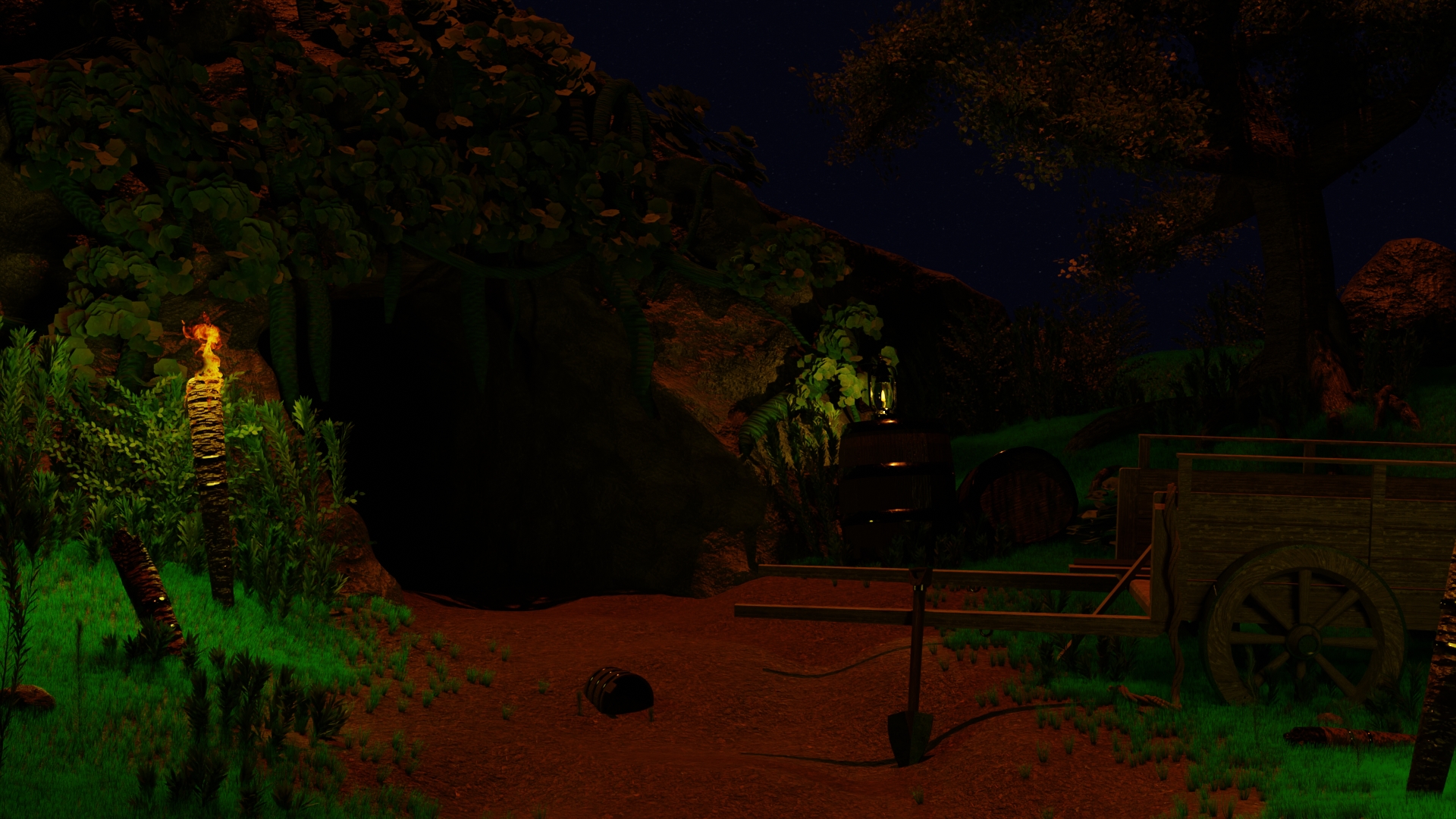
I modeled a cave entrance and, for the first time, made a conscious effort to work with composition and image structure. While there is still much room for improvement, and it is far from professional standards, it was an important step toward understanding how to arrange individual elements in a scene to create a coherent overall image.
This project was a valuable exercise in working with space and visual impact in 3D imagery.
In Project 013, I revisited this scene and, with the experience I had gained, achieved a much better final result.
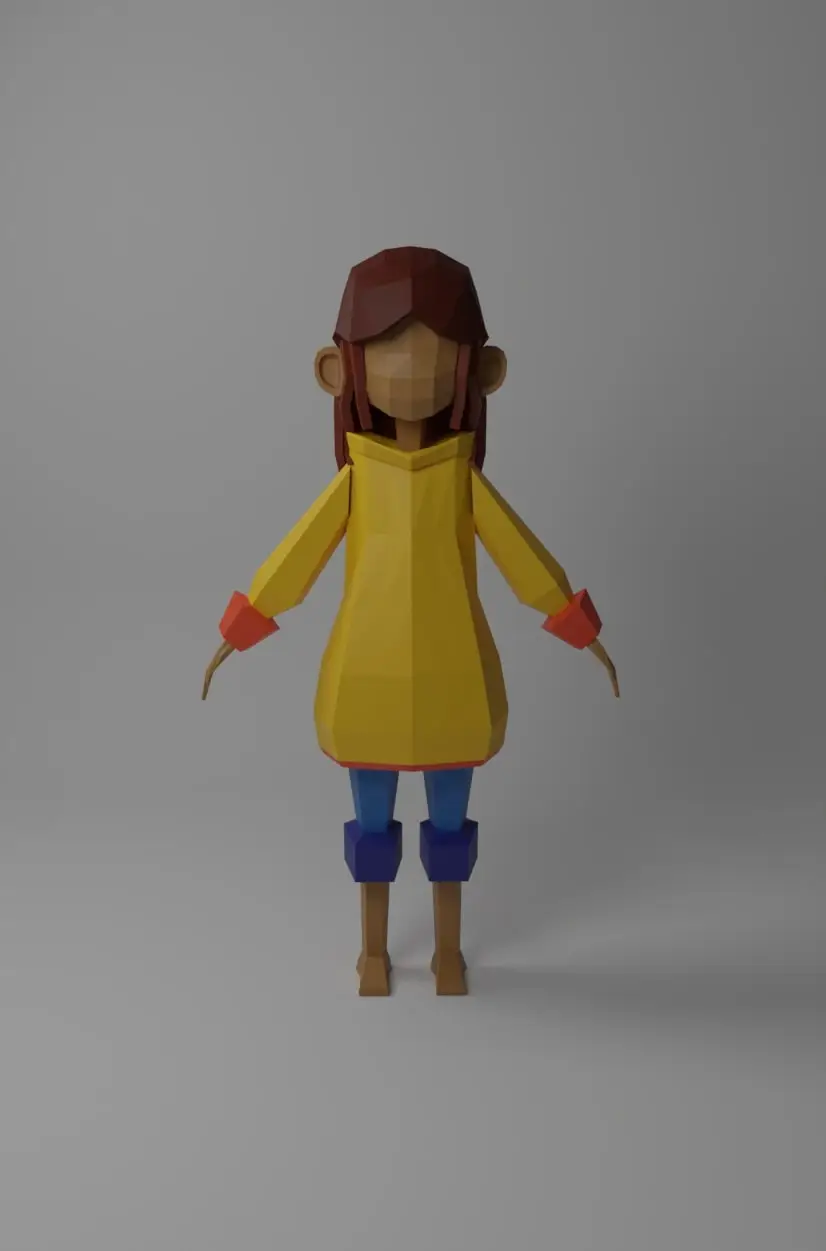
In this project, I modeled a character with the help of a tutorial series, which was also my first introduction to organic modeling. I created the animation as well as props such as the staff, dagger, and pouch on my own to bring in my own ideas and gain practical experience.
What I found especially exciting was working with rigging, weight painting, and posing for the first time, which gave me a solid foundation in character animation.
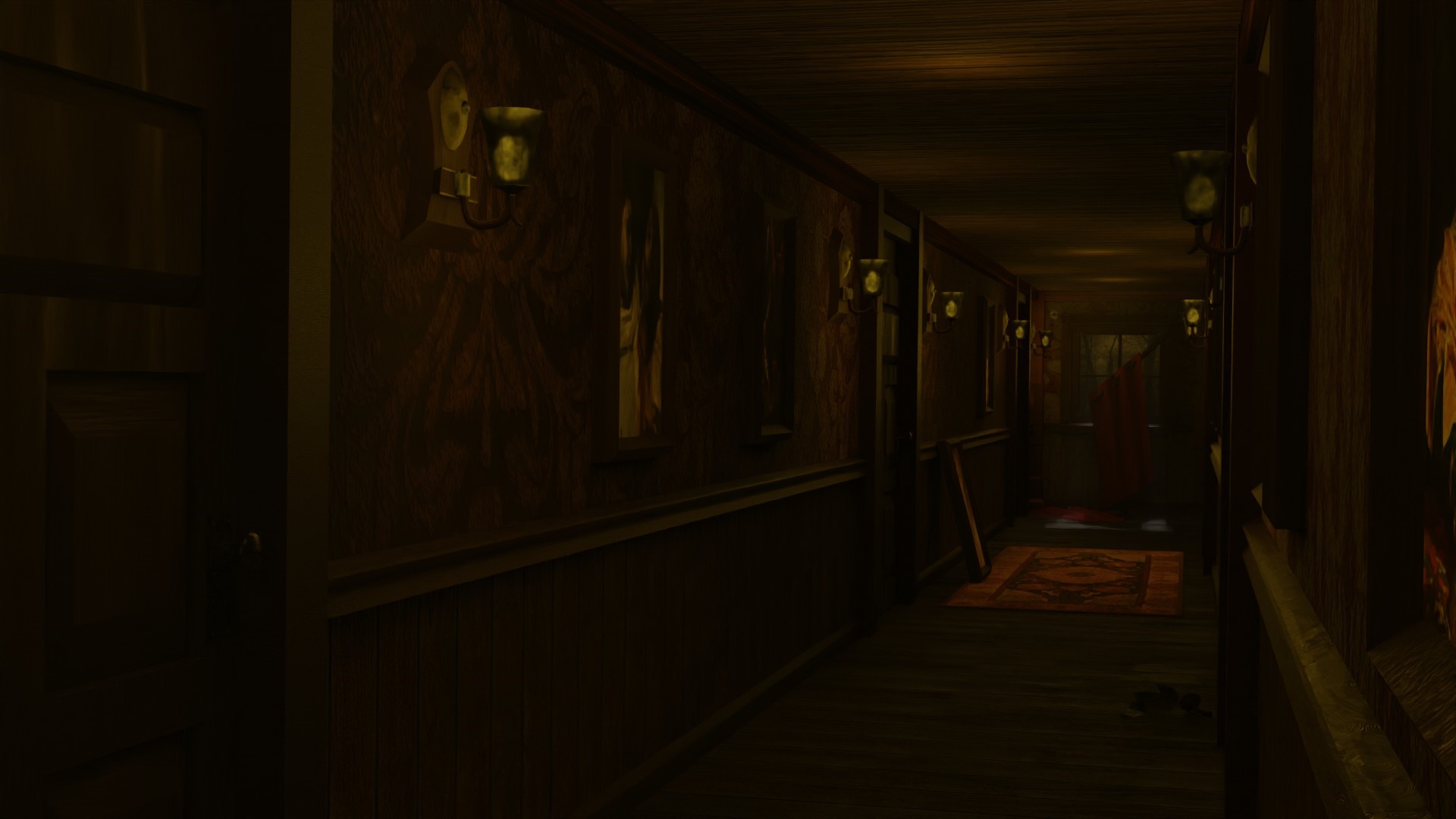
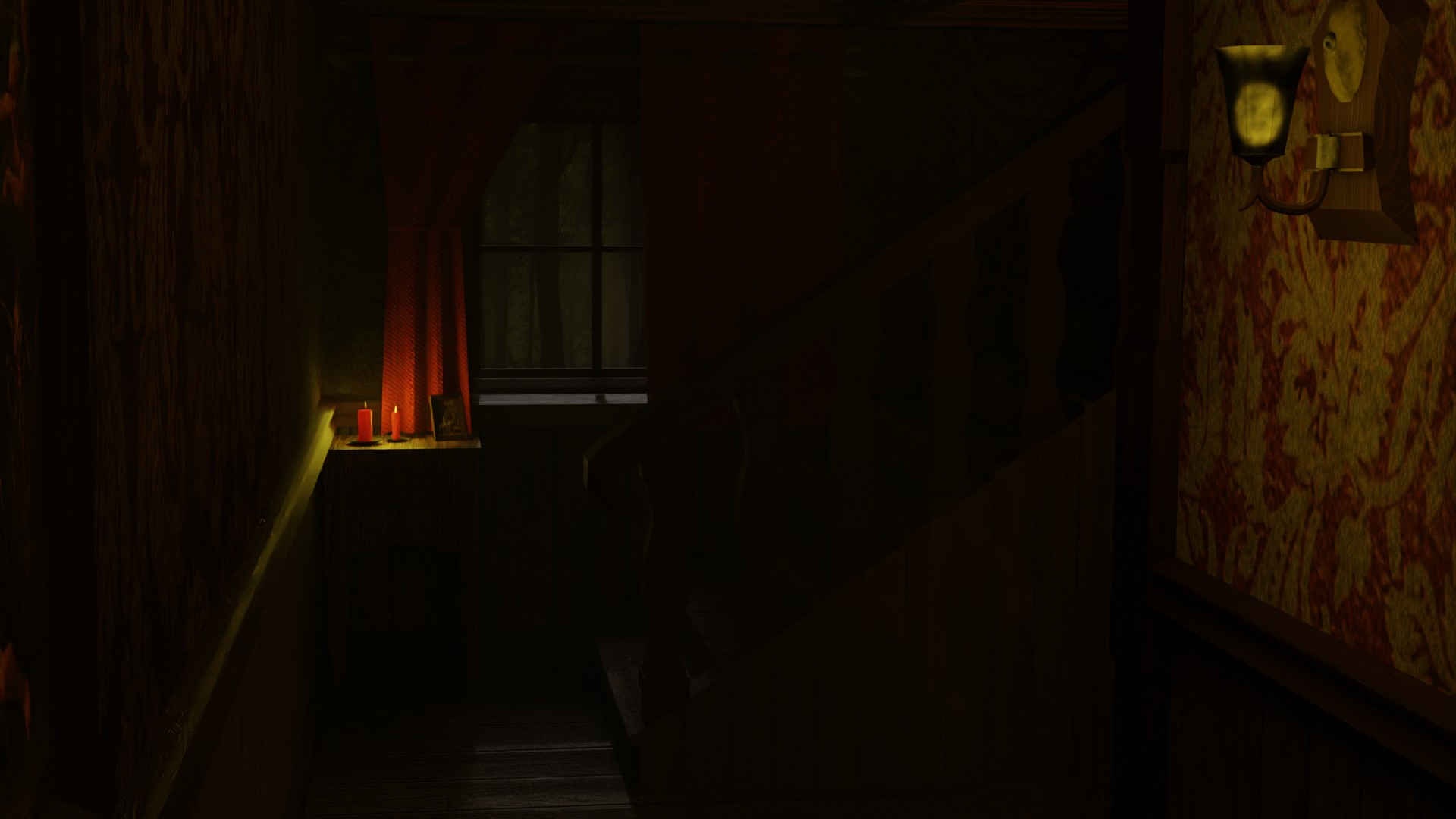
With this project, I created my first longer animation with a narrative focus. The six-minute first-person horror animation was designed to tell a short story and create a tense, oppressive atmosphere.
I deliberately used dramaturgical elements such as pacing, lighting, and sound effects to draw the viewer into the situation. The main challenge was to tell a story without words, relying instead on camera work and environment design.
This project was an important first step in learning how to implement environmental storytelling effectively.
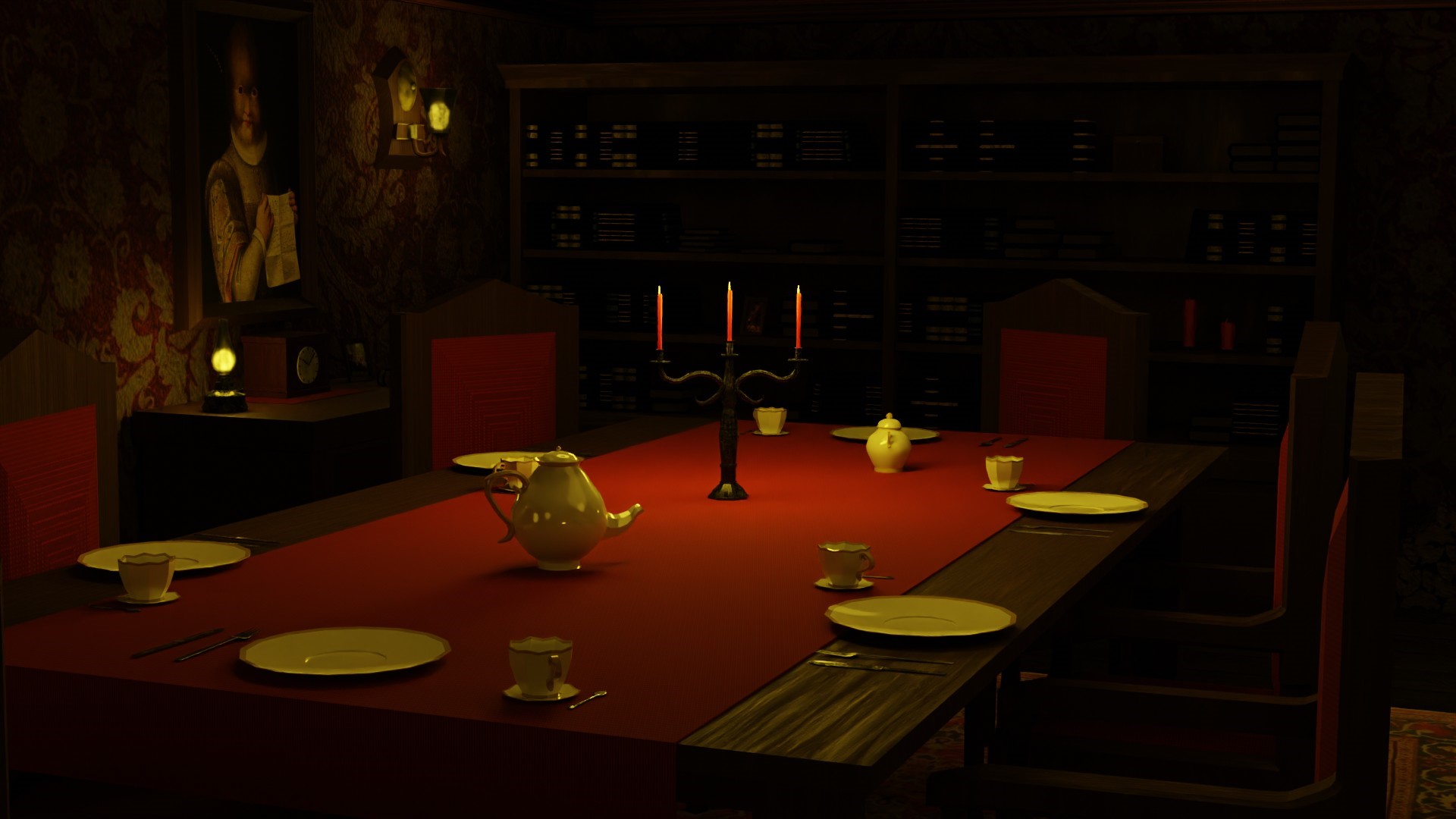
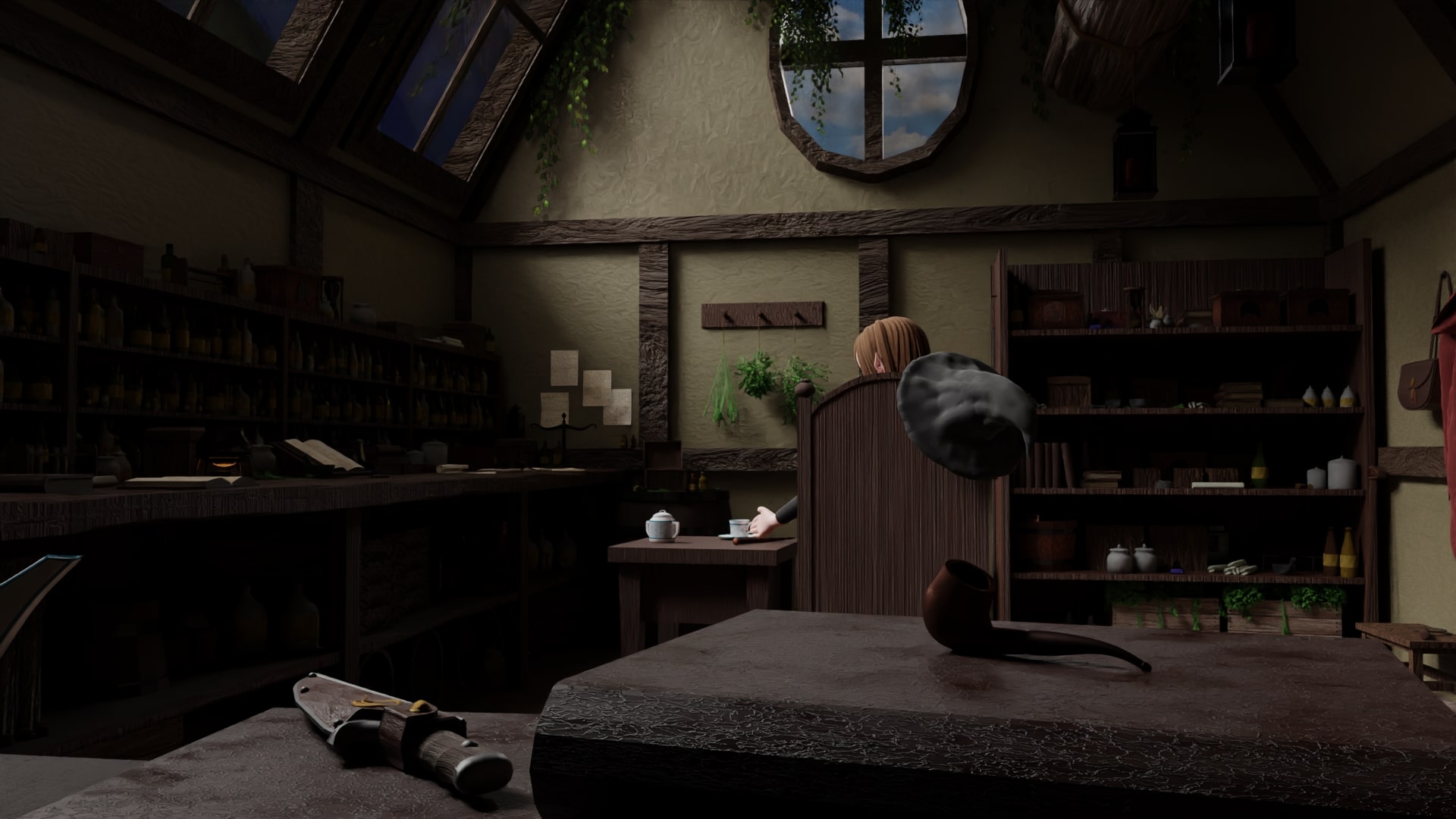
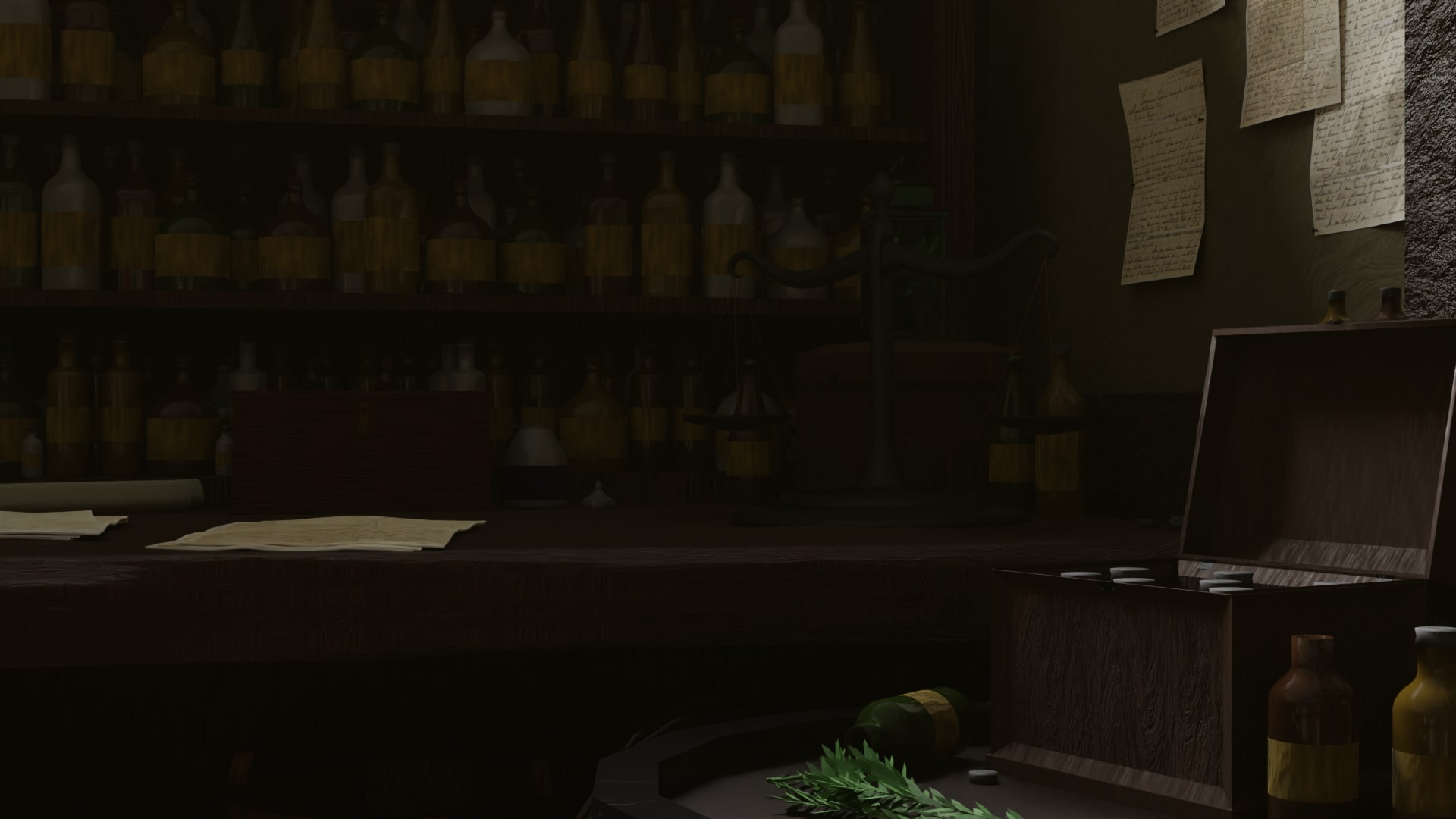
In this project, I set out to create an atmospheric animation inside a witch’s house and, for the first time, worked more intensively with physics simulations in Blender. I experimented with fire and water simulations to bring the scene to life and add atmosphere.
This work gave me an initial understanding of how to integrate dynamic elements into a scene and use technical simulations creatively to enhance its visual impact.
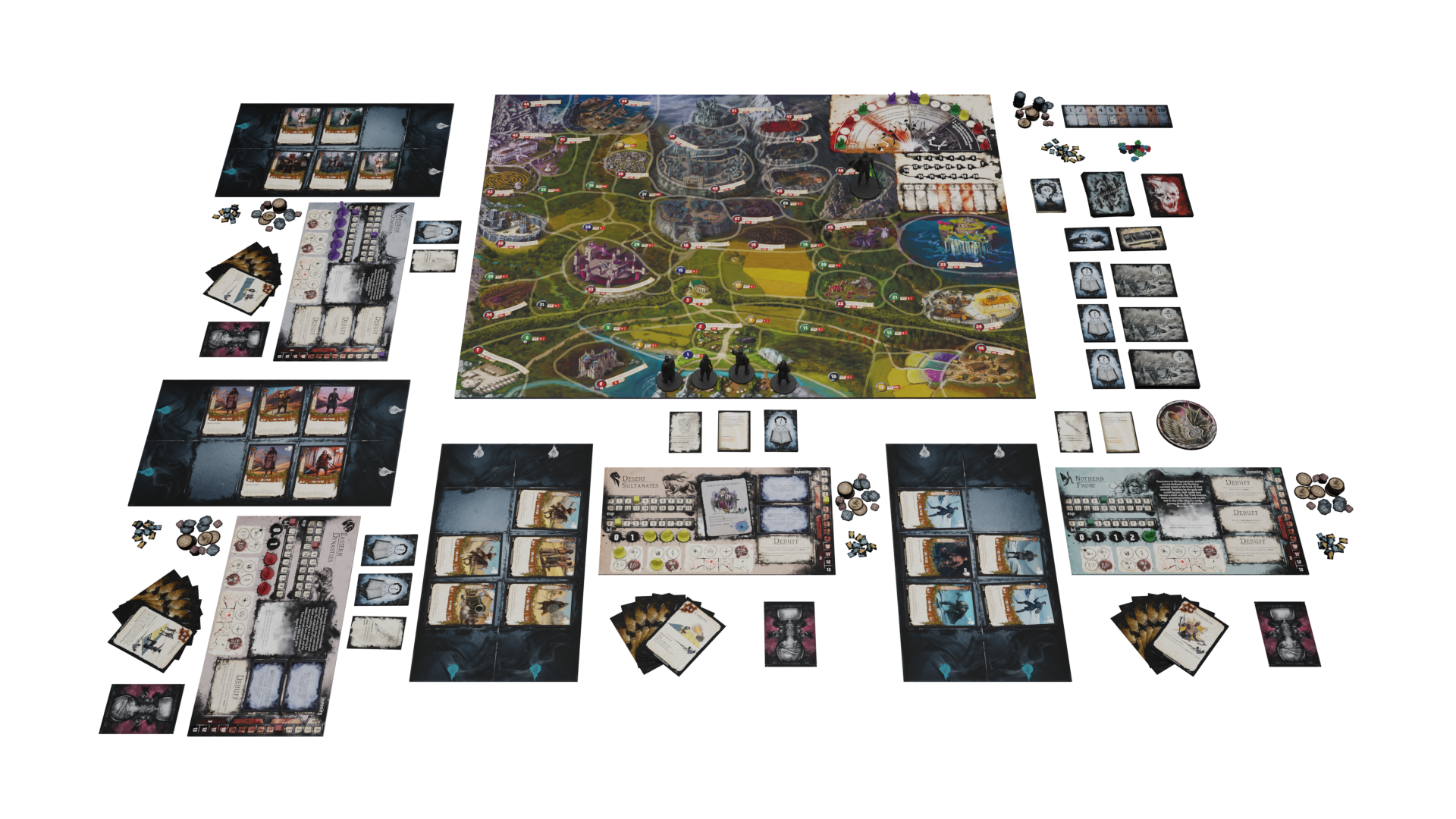
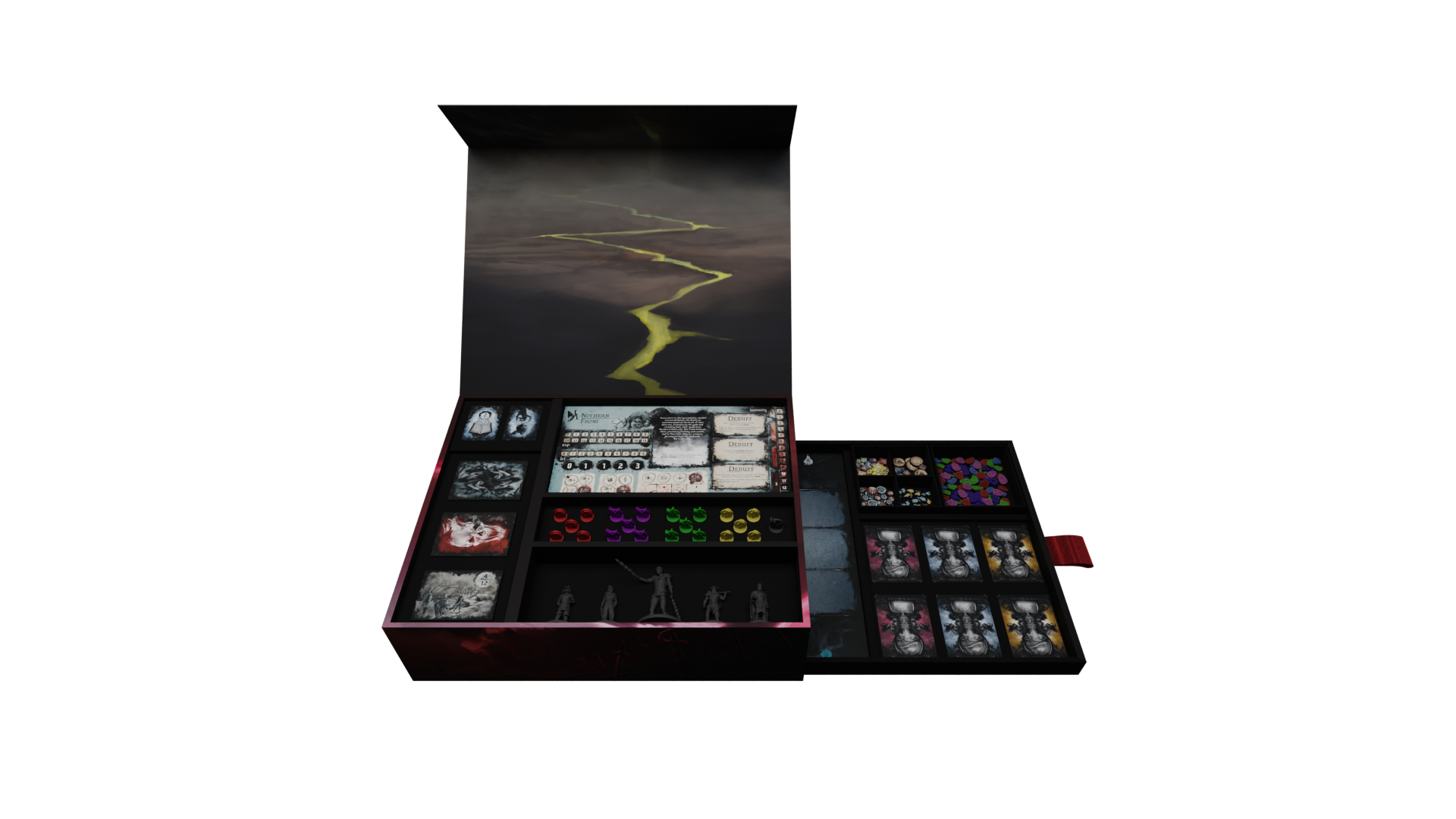
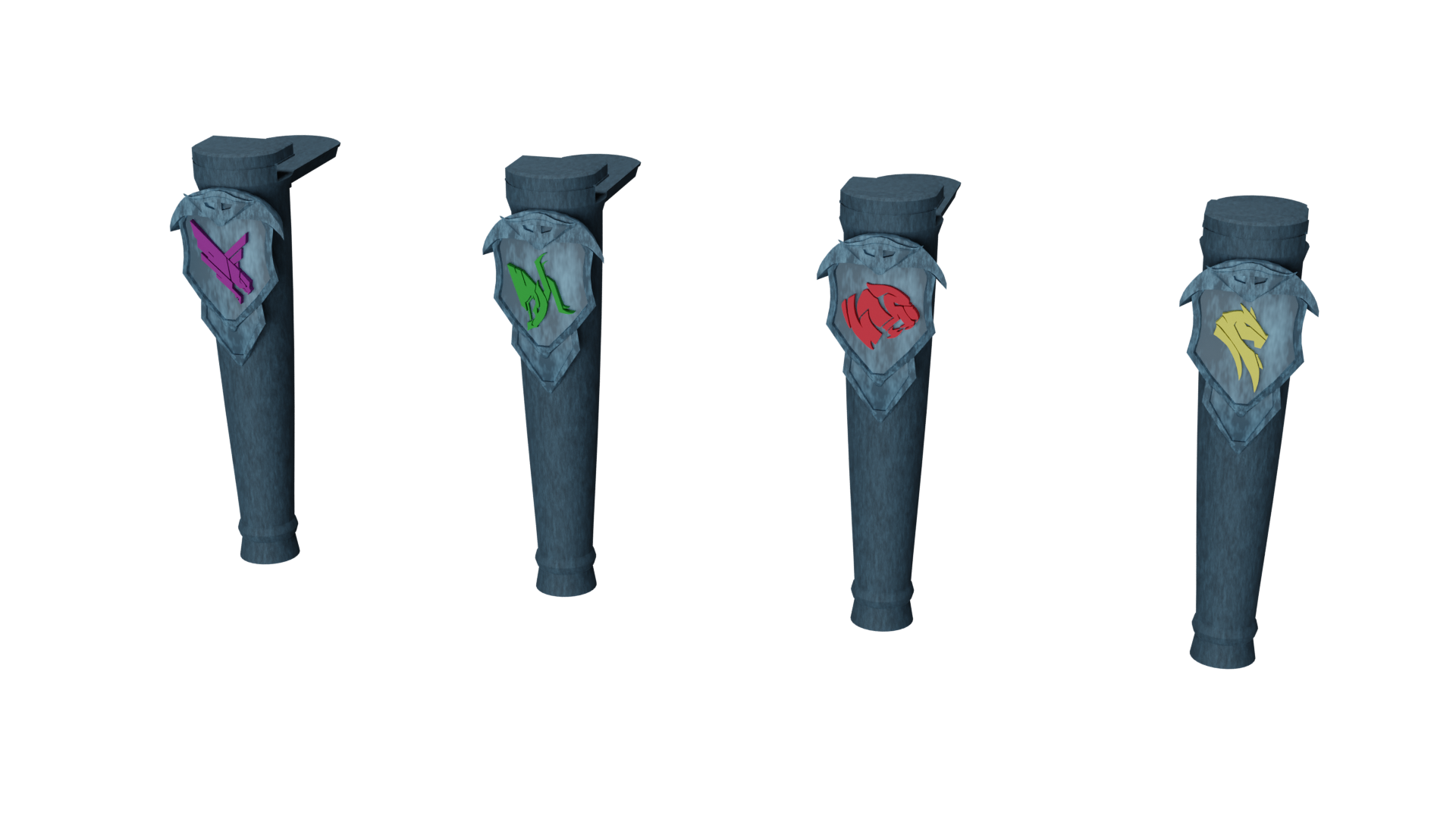
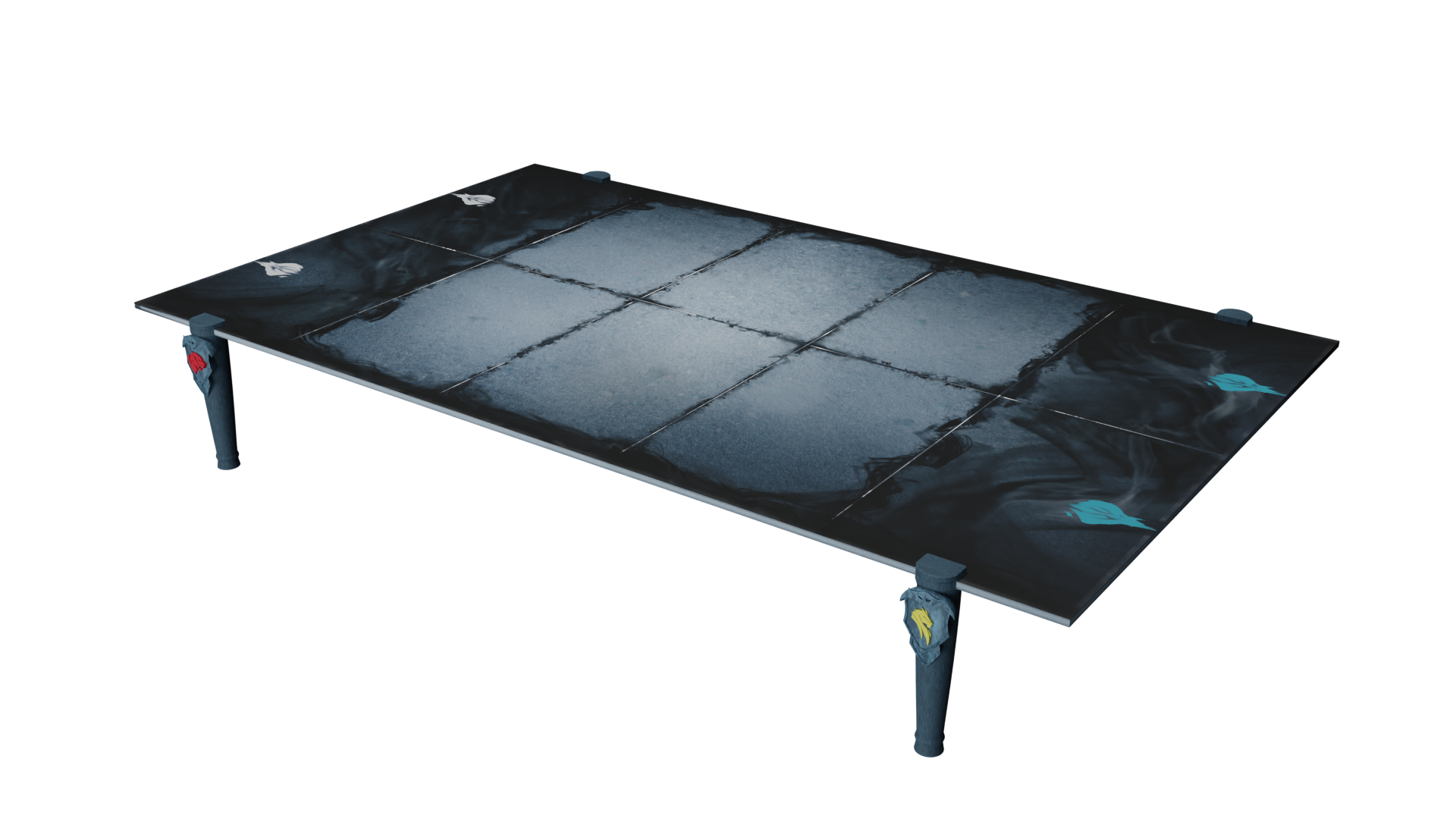
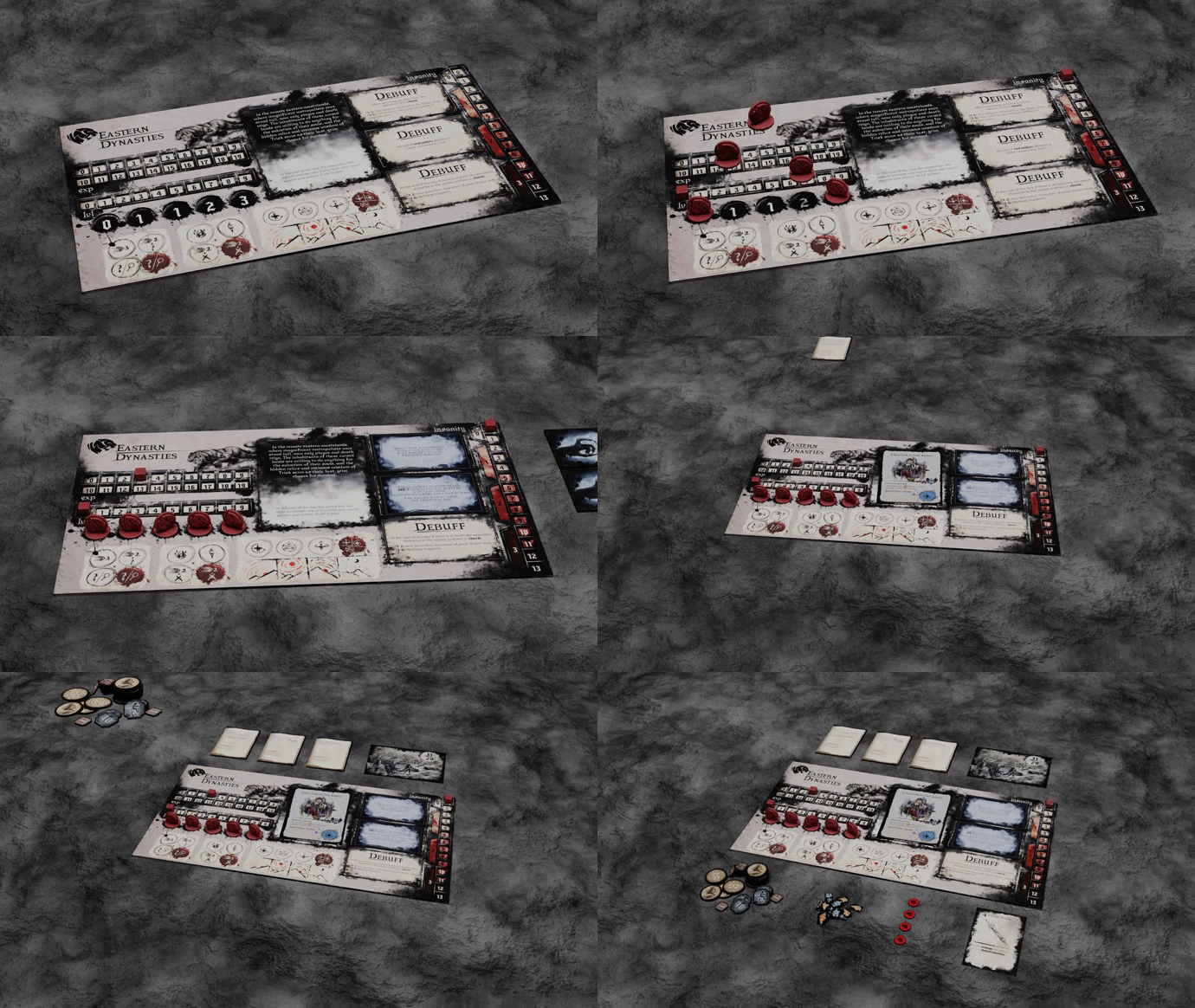
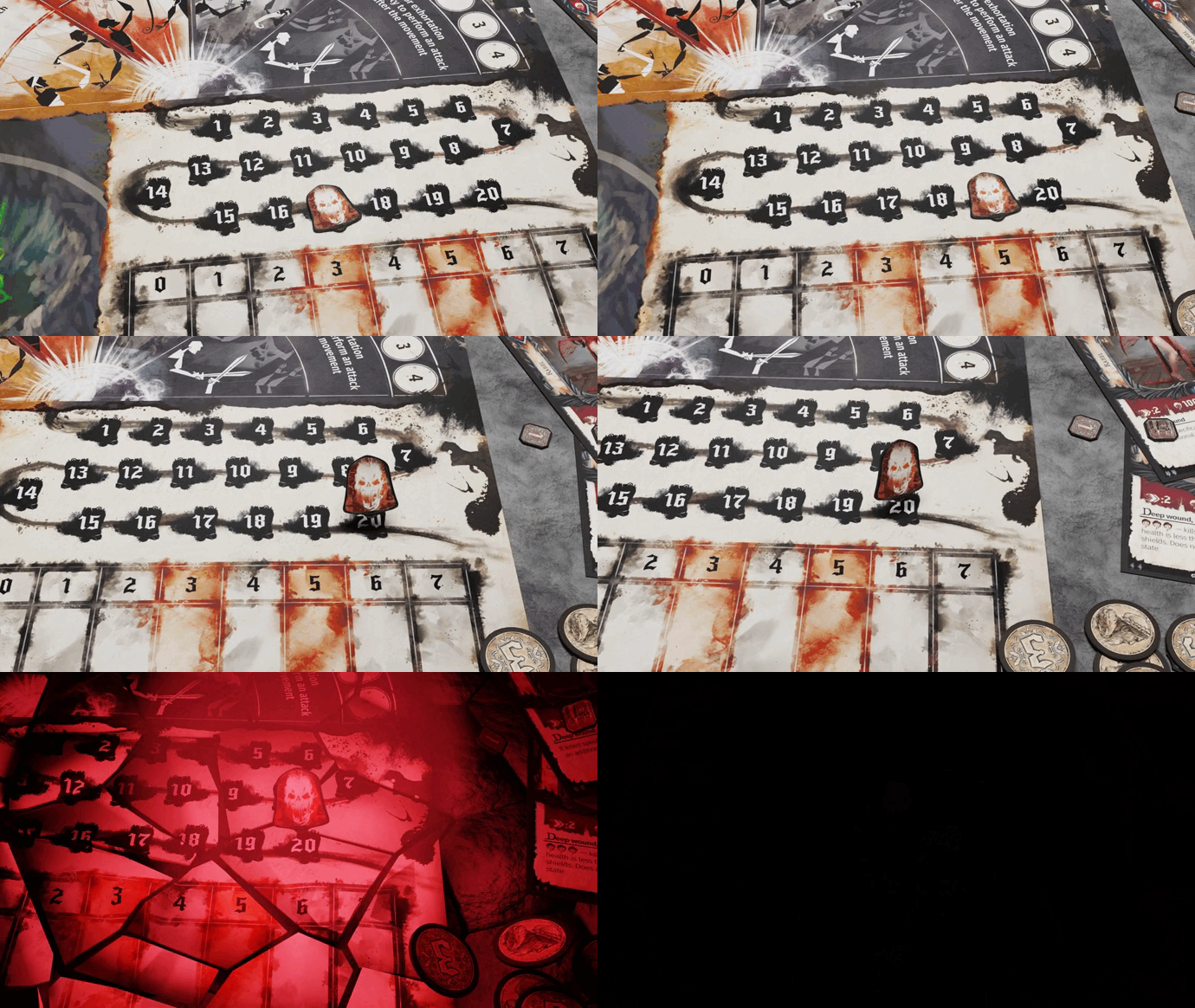
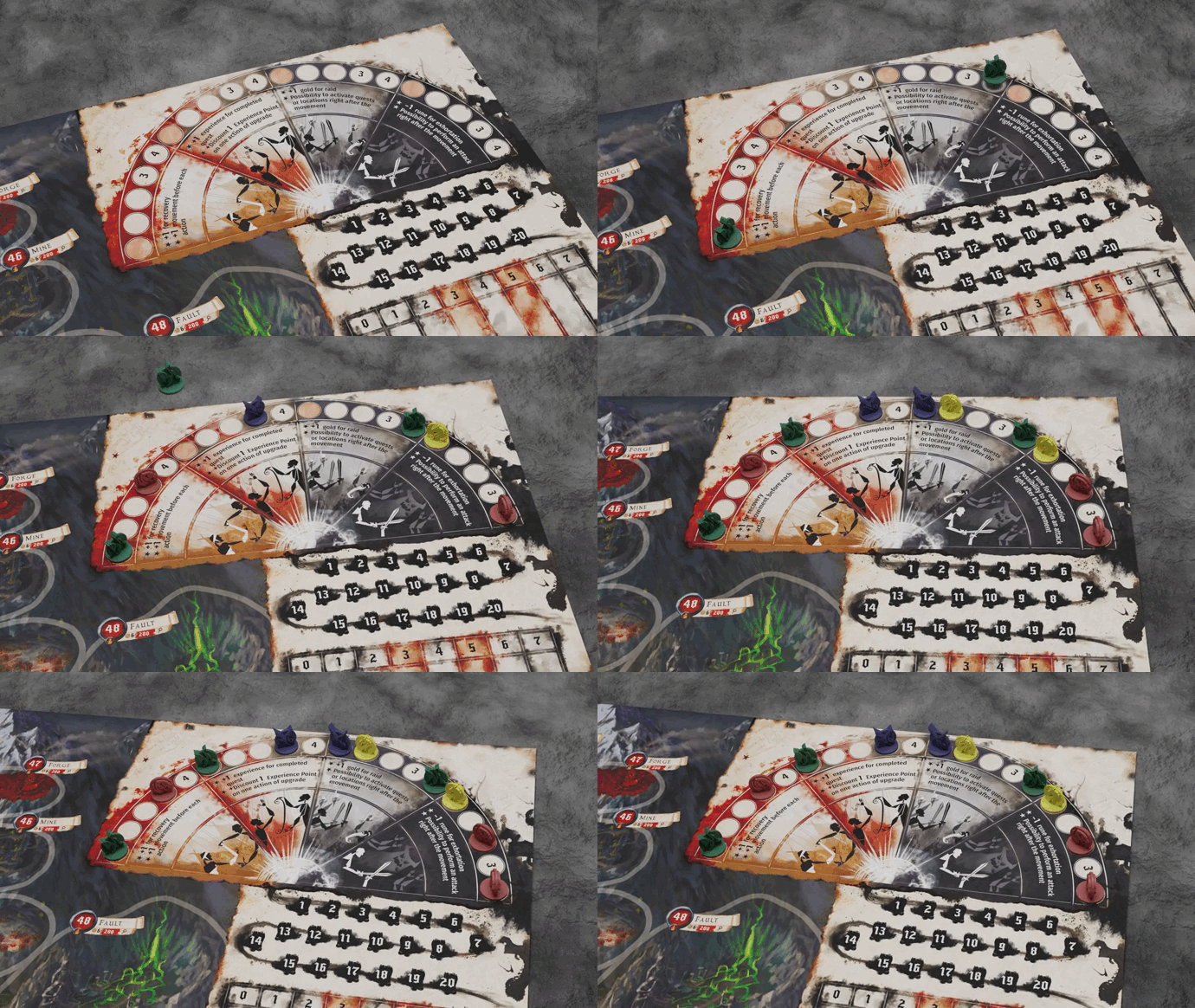
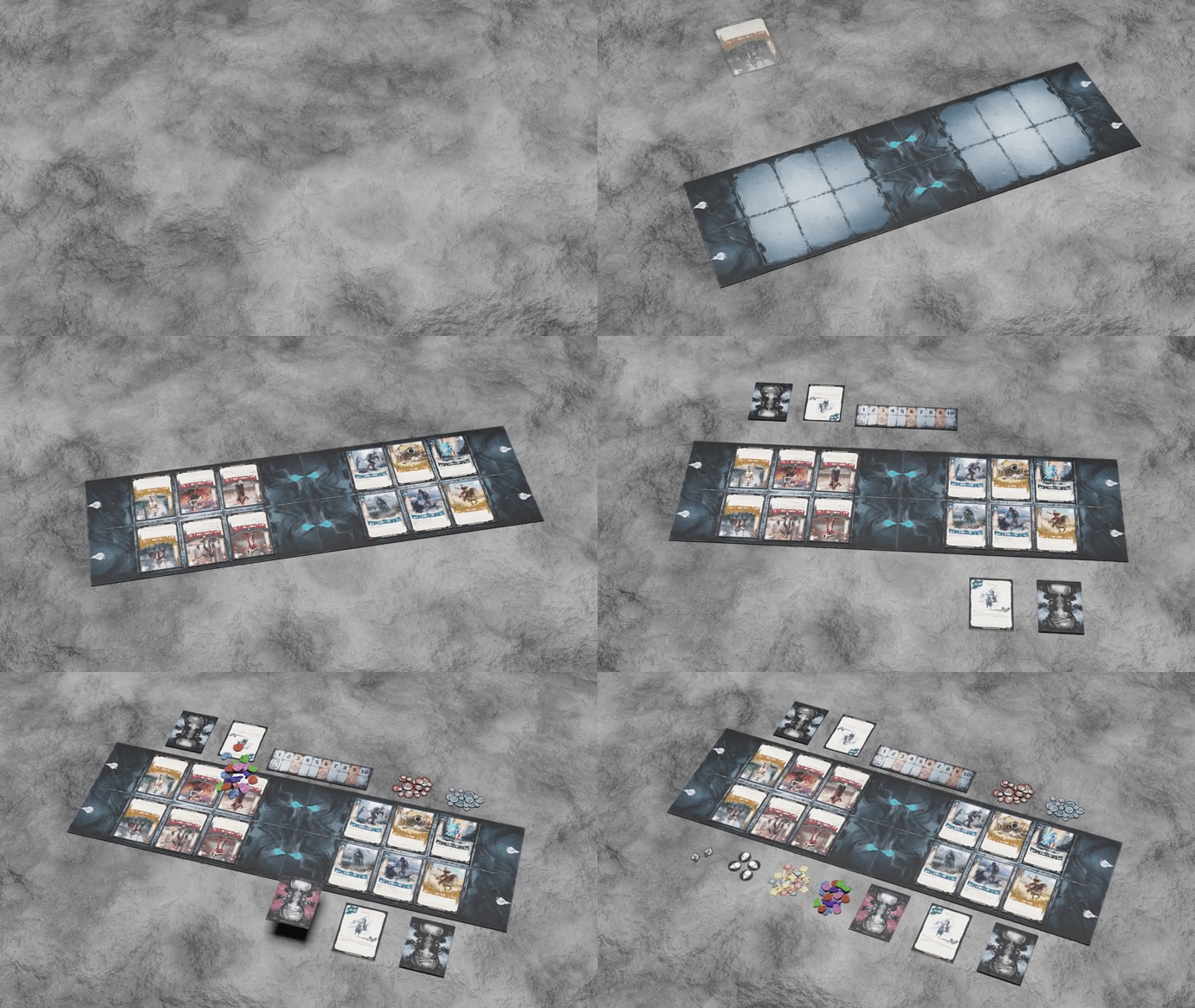
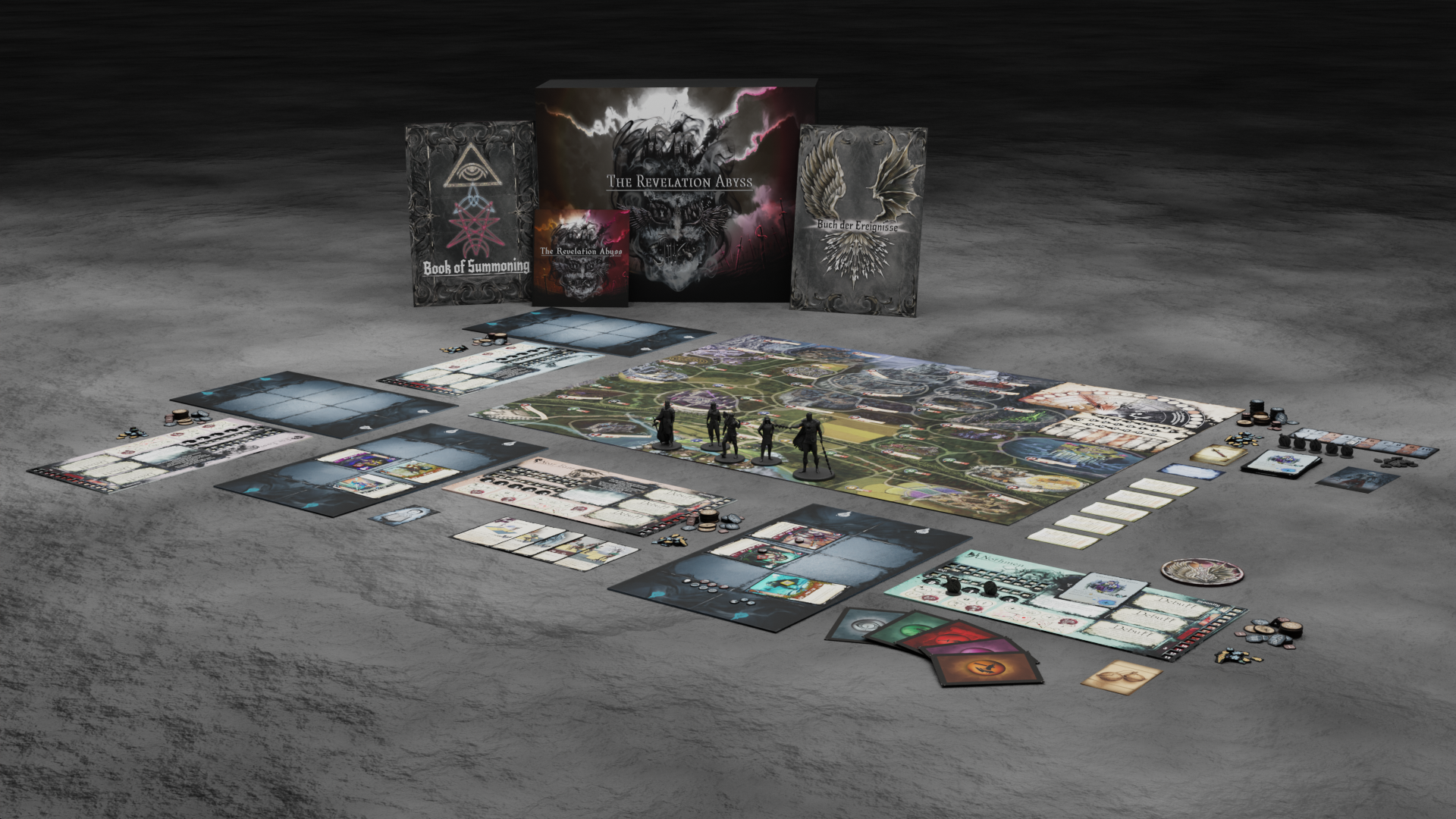
For this project, I collaborated with an indie board game development team that needed visual material for their Kickstarter campaign. The contact came through a friend — the team was specifically looking for someone with 3D experience to present their game in an appealing way.
I was responsible for creating renders and animations to showcase the game visually. While the team provided 2D graphics, playing pieces, and tokens, I independently modeled and produced all environments, objects, and animations in Blender.
This project was my first practical experience working with an external team and gave me valuable insights into goal-oriented workflows, team communication, and visual marketing.
In the embedded video, the segments from 2:40–2:55 and 4:25–7:15 were created by me.
Tools used:
Blender
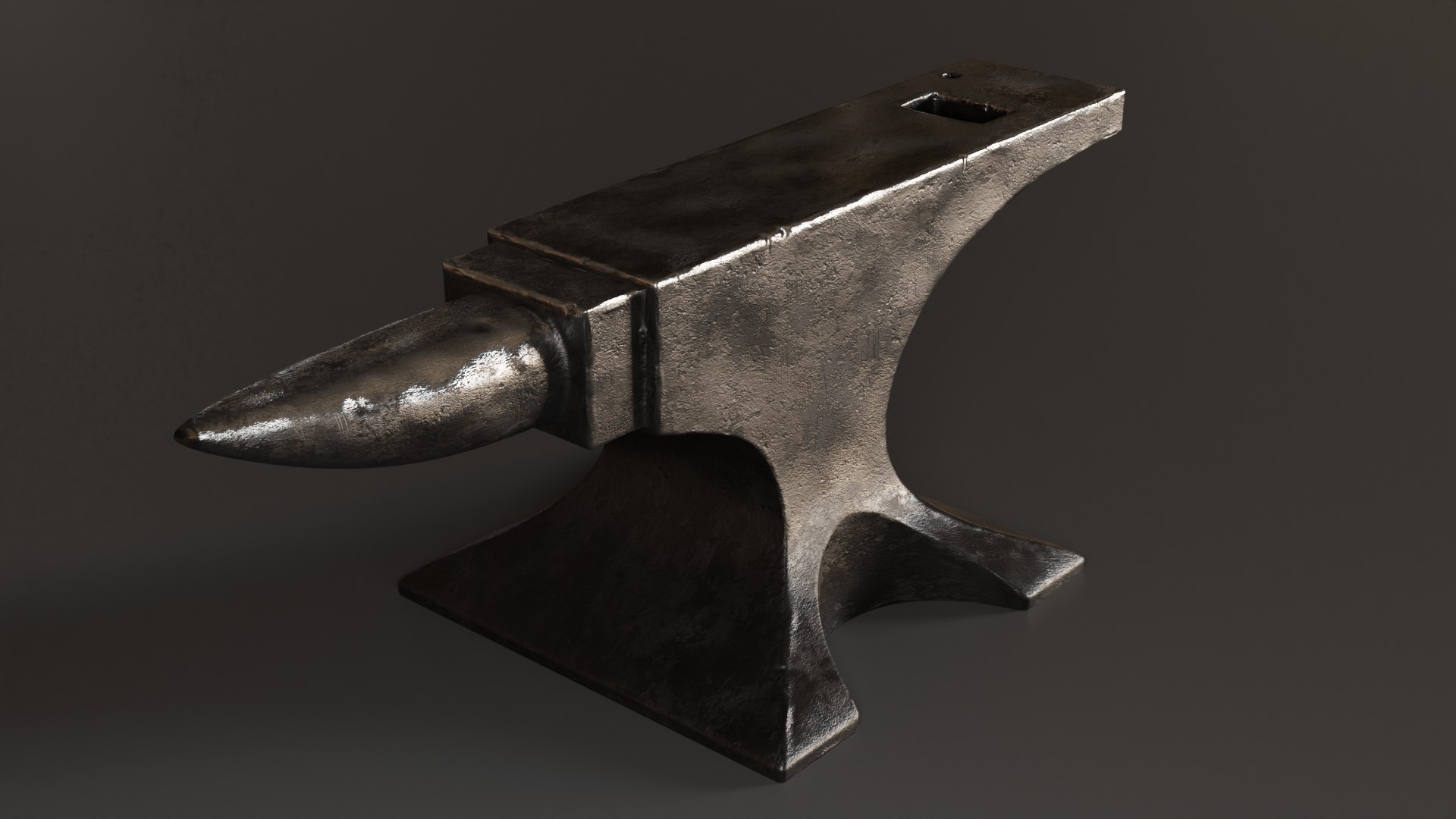
008 Anvil [Tutorial-Piece]
Portfolio Nr. 008
This project was created as part of Blender Guru’s Anvil Tutorial and served as my introduction to texture baking. The goal was to enhance a low-poly model by sculpting detailed high-poly geometry and then baking a normal map to transfer the detail.
For the first time, I sculpted fine surface details such as scratches and irregularities to achieve a realistic result without overloading the geometry. This project helped me understand the core principles of the high-to-low workflow — an important step toward creating efficient yet highly detailed 3D designs.
Tools used:
Blender
009 Axe in tree
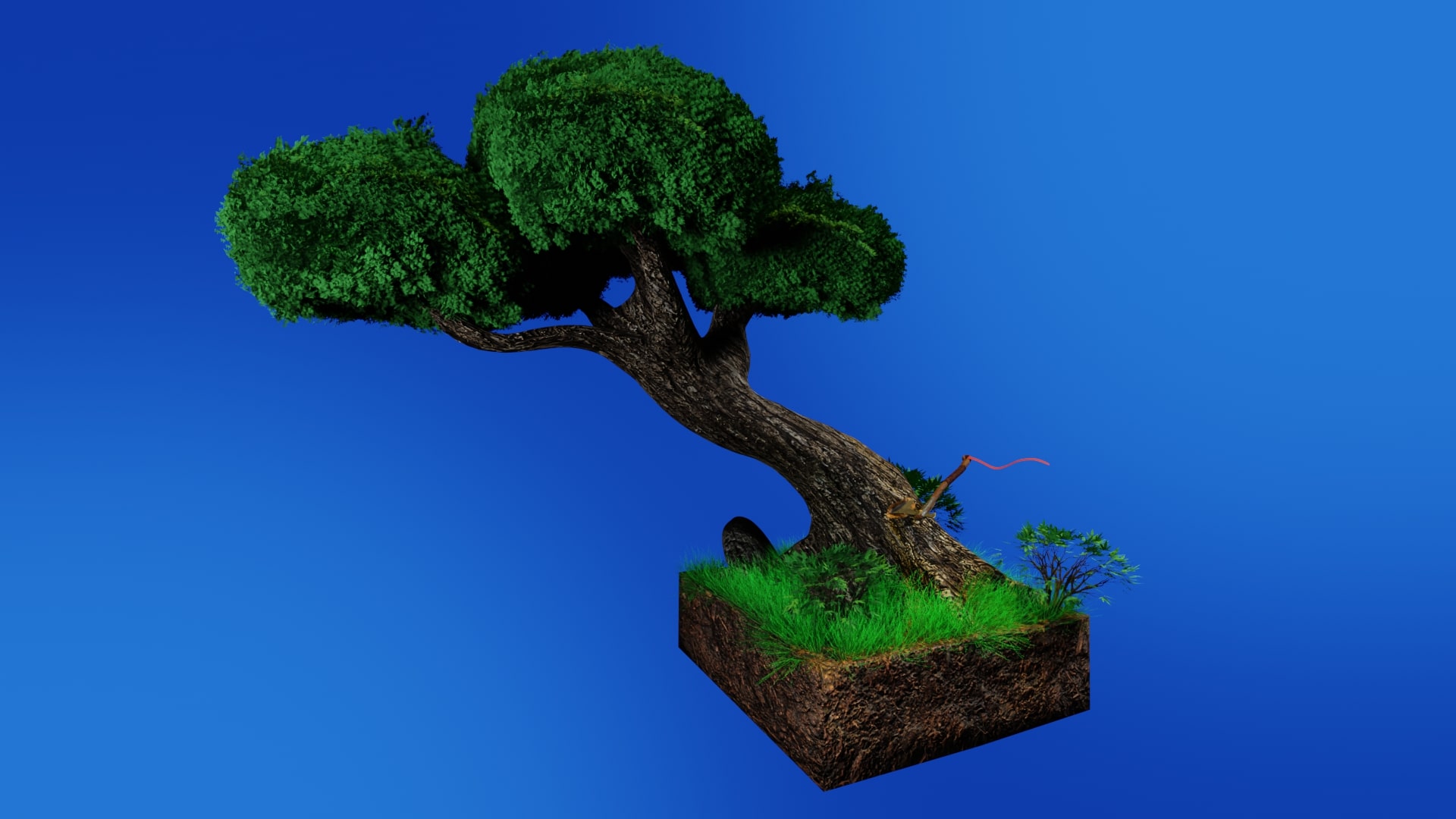
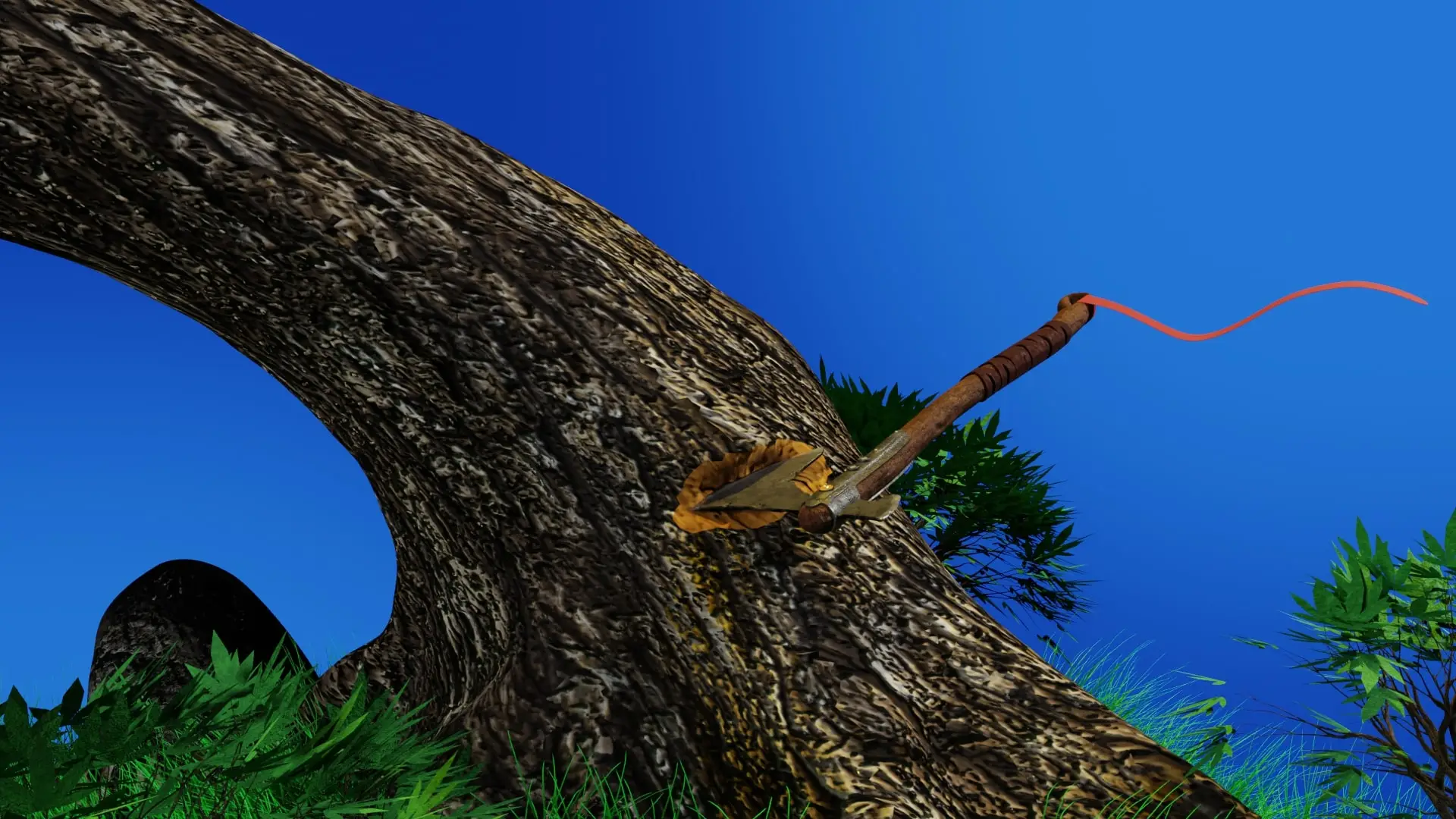
After completing the Anvil Tutorial, I wanted to put my newly gained knowledge into practice, so I independently modeled an axe which is stuck in a tree. The focus was on applying the techniques from the previous project on my own — without a step-by-step guide.
I first created a low-poly model and then added fine details such as notches, scratches, and signs of wear in Sculpt Mode. These details were baked onto a normal map to enhance the model visually without overloading the geometry.
This project helped me internalize the workflow from sculpting to baking and become more confident in using Blender’s tools independently.
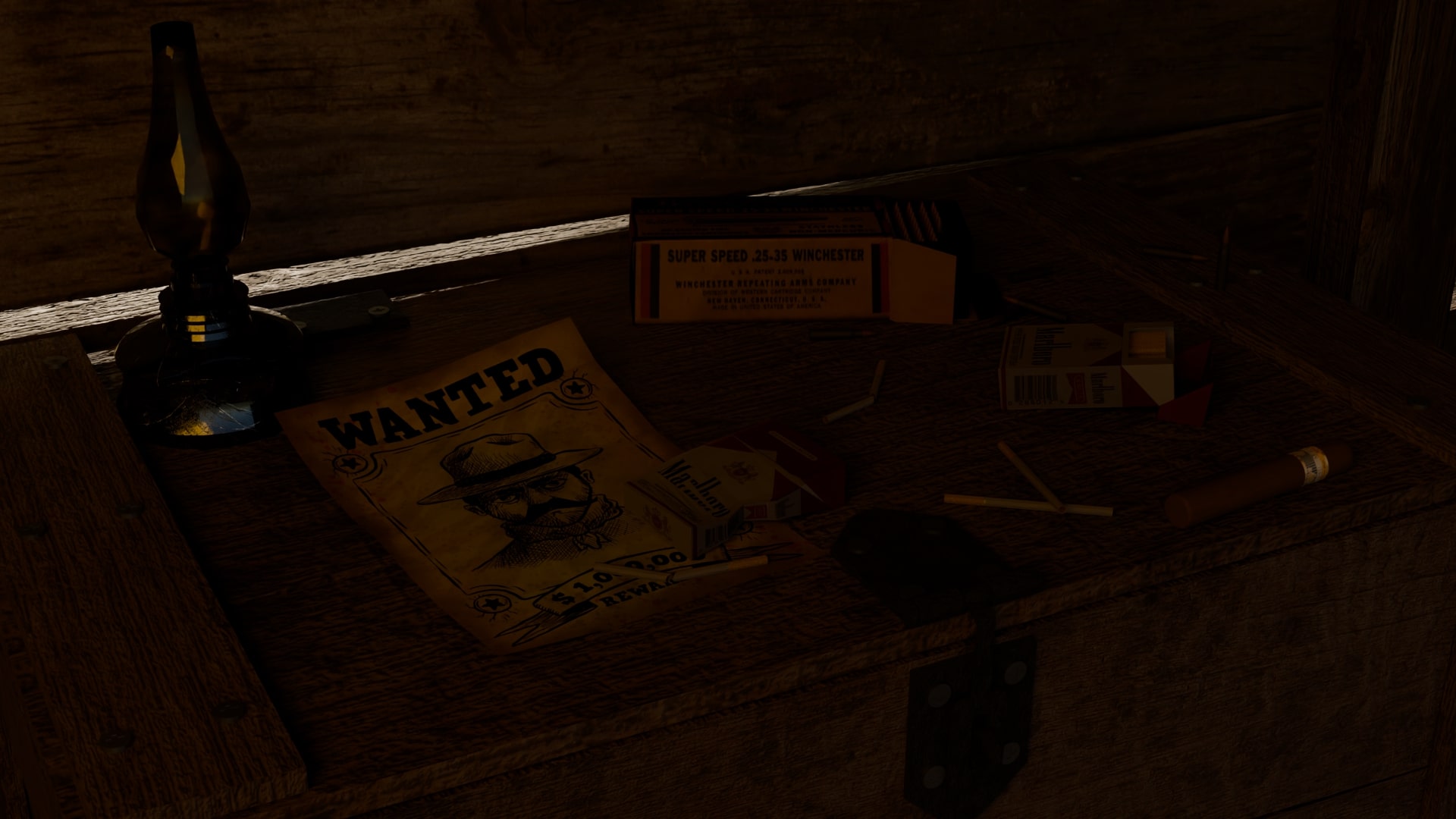
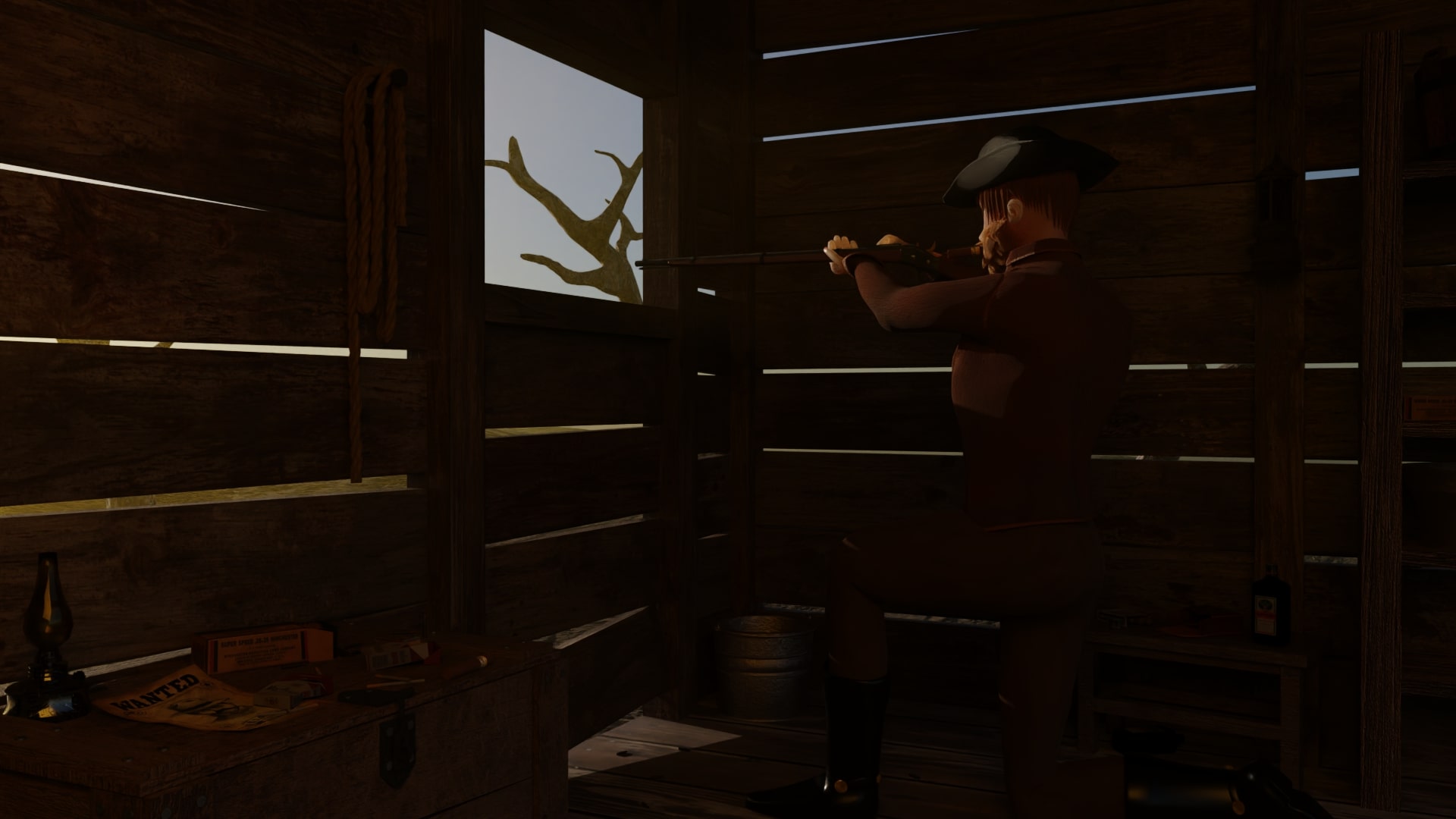
In this project, I animated a short Wild West scene in which a cowboy fires his rifle. The goal was to further develop my skills in character animation and to make the movement as believable as possible.
I focused particularly on body tension, timing, and weight — key aspects for creating a convincing shooting animation.
Even though the final result still leaves room for improvement, this project was an important step in developing my abilities in animated storytelling and in creating more dynamic movements.
Tools used:
Blender
011 Medieval City
Portfolio Nr. 011
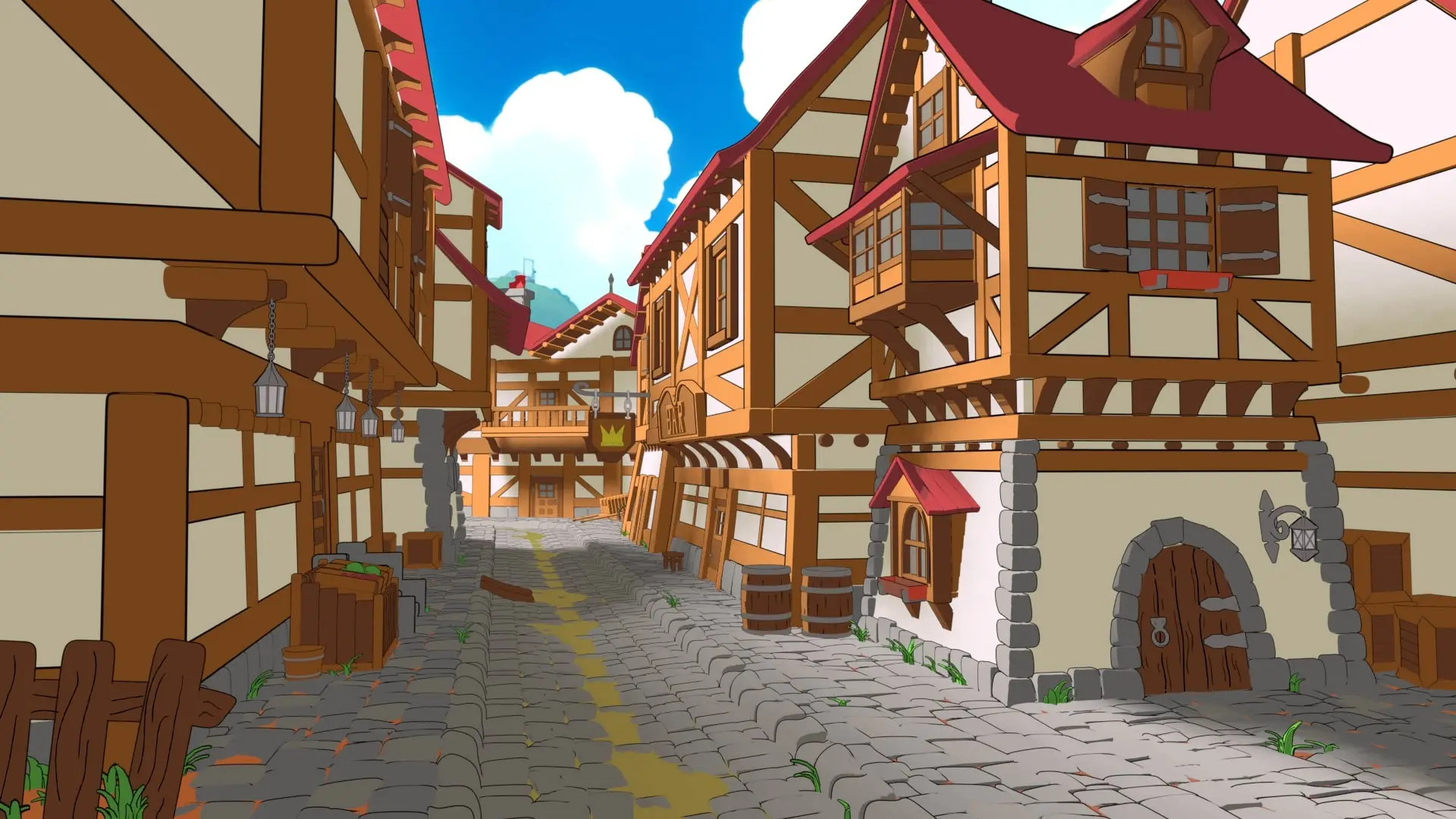
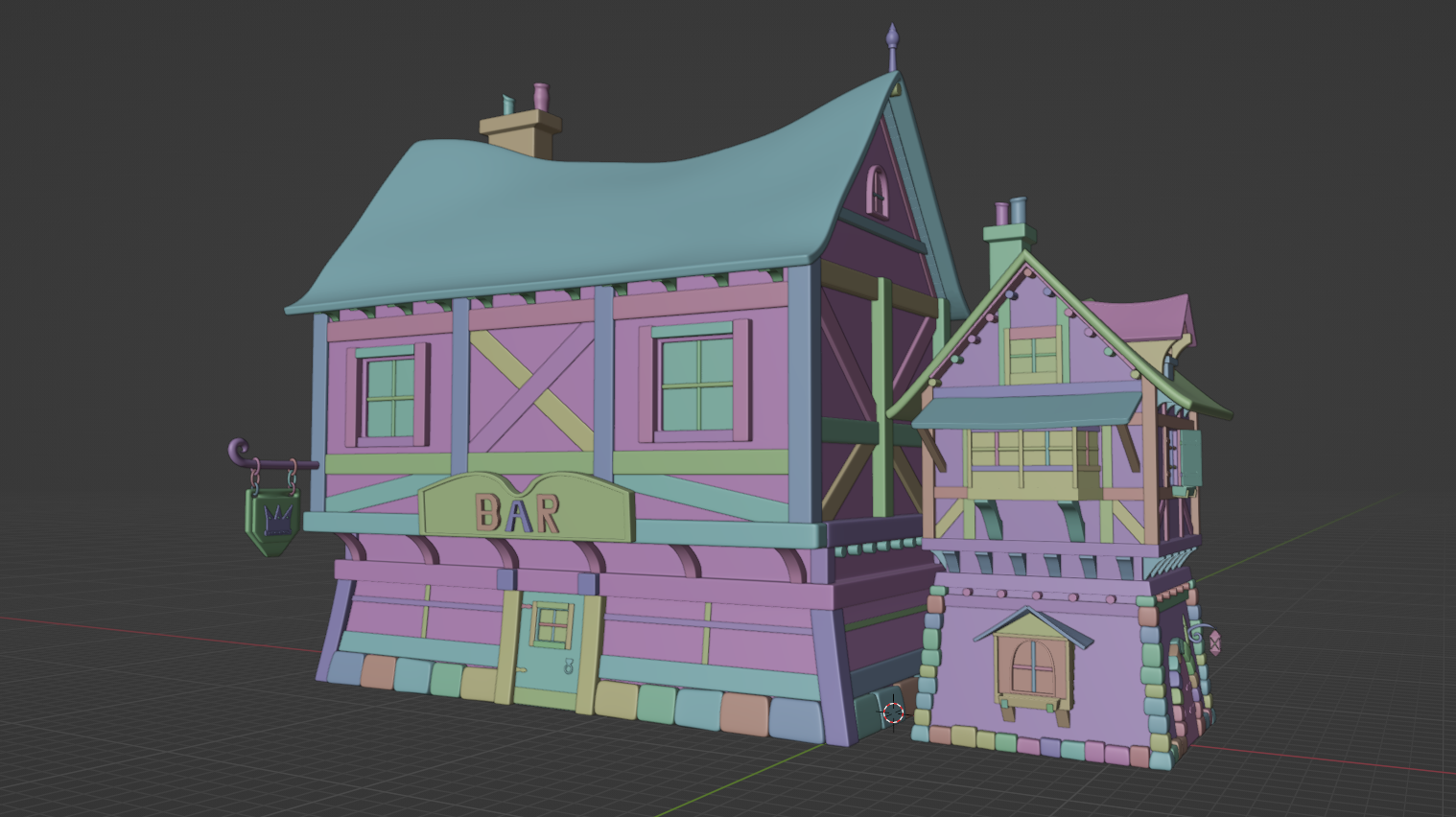
In this project, I modeled a stylized medieval town and worked with cel shading and Blender’s Grease Pencil for the first time. The goal was to experiment with a cartoon-like visual style and explore different non-photorealistic rendering approaches.
This project not only helped me test new technical tools but also supported me in developing my own style and making more deliberate creative choices.
Tools used:
Blender
012 Knight's sword
Portfolio Nr. 012
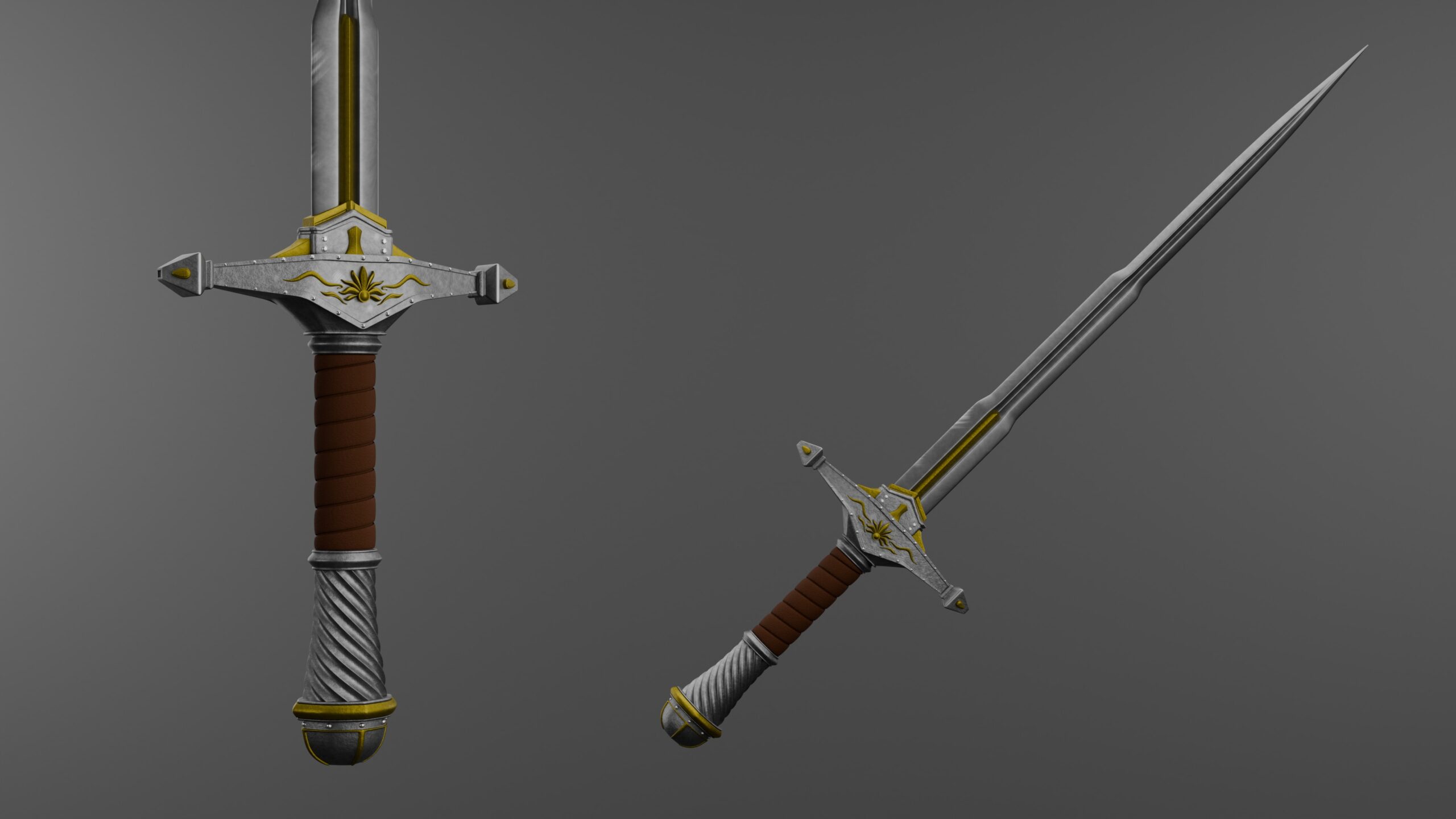
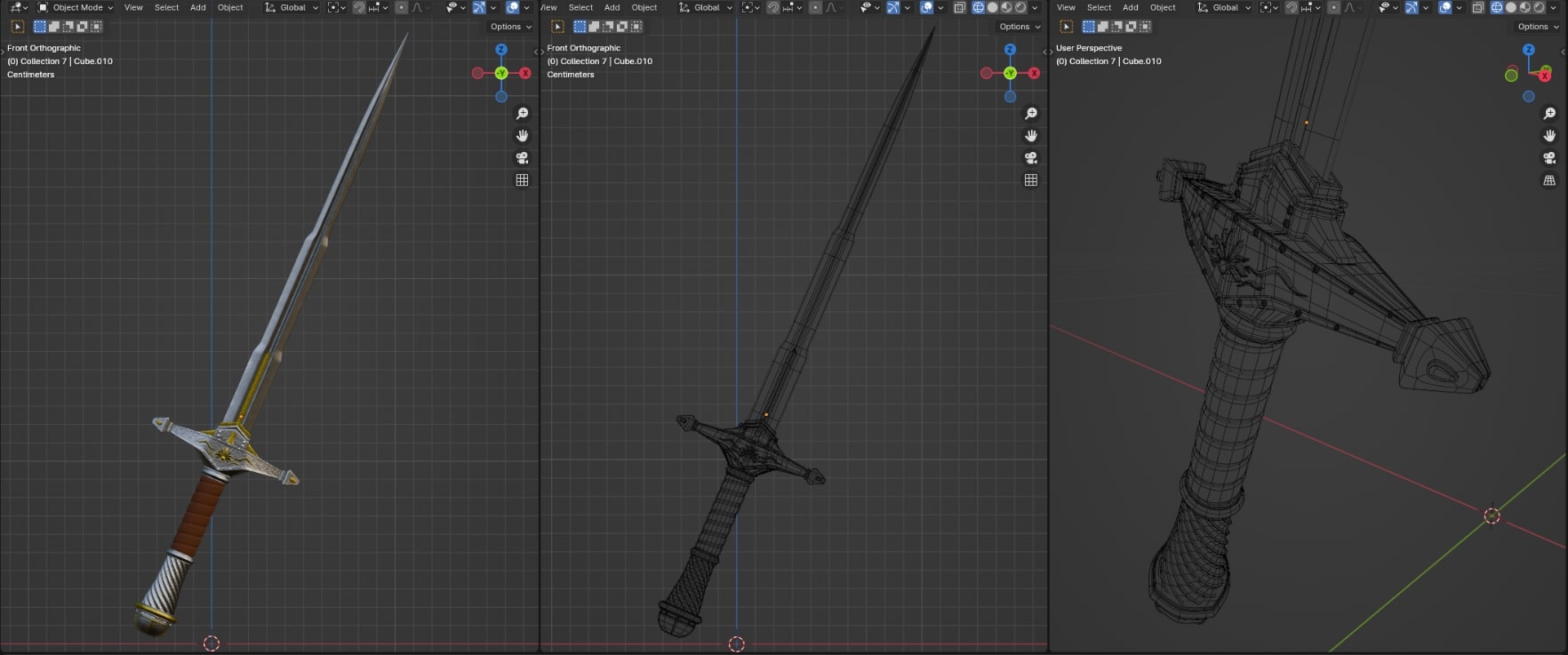
In this project, I modeled another sword to further strengthen and expand my hard-surface skills. This time, I also wanted to gain experience with adding surface details through texture painting. The goal was to give the model more character and individuality through hand-painted details.
Tools used:
Blender
013 Cave #2
Portfolio Nr. 013
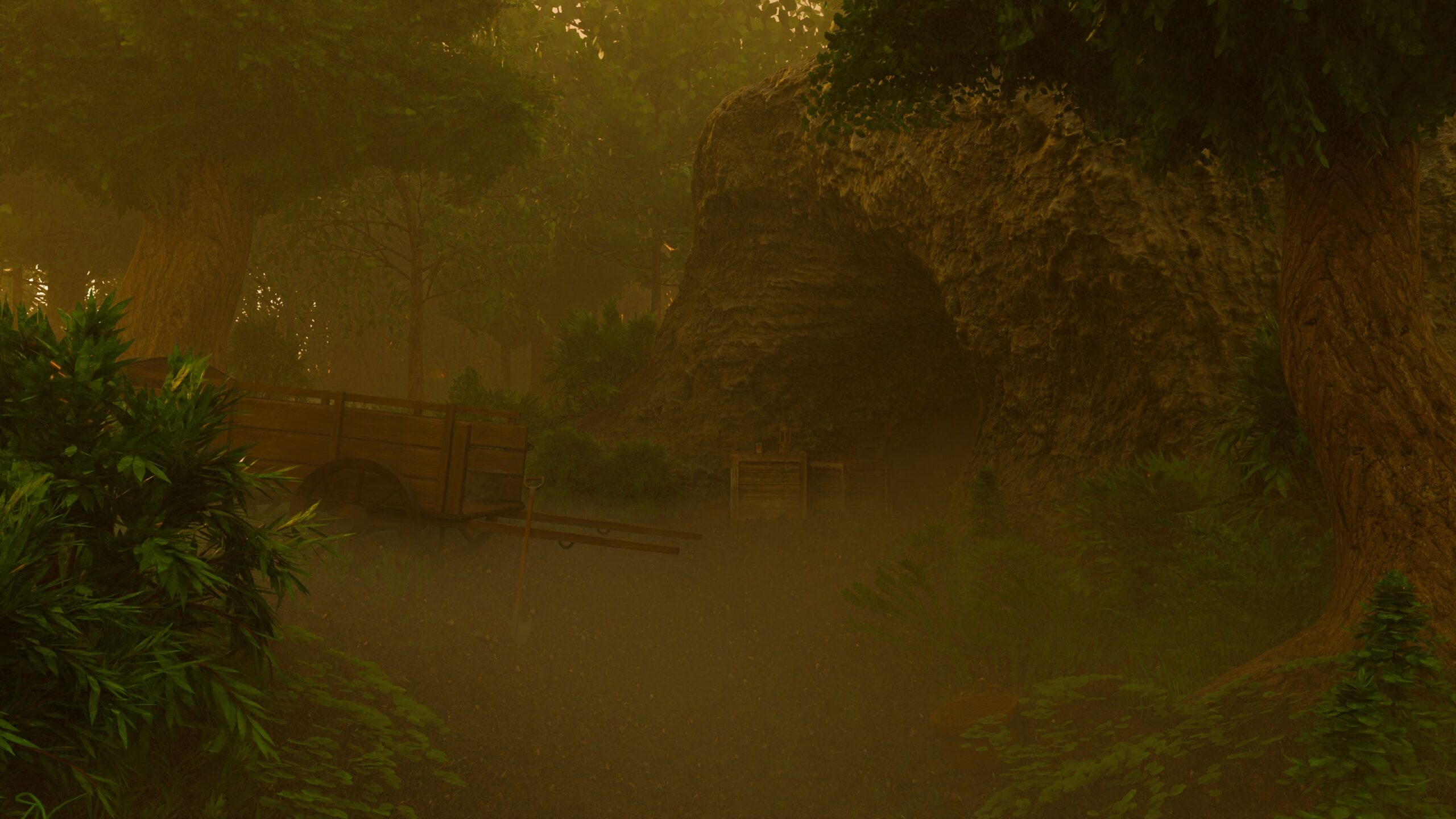
After a little more than six months, I revisited the cave entrance render to showcase my progress in composition and atmosphere (see Project 003 Cave). This project served as a direct comparison to my earlier work.
By using volumetrics, I was able to give the scene more depth and mood. I also worked more deliberately with lighting, color, and object placement to achieve a stronger overall visual impact.
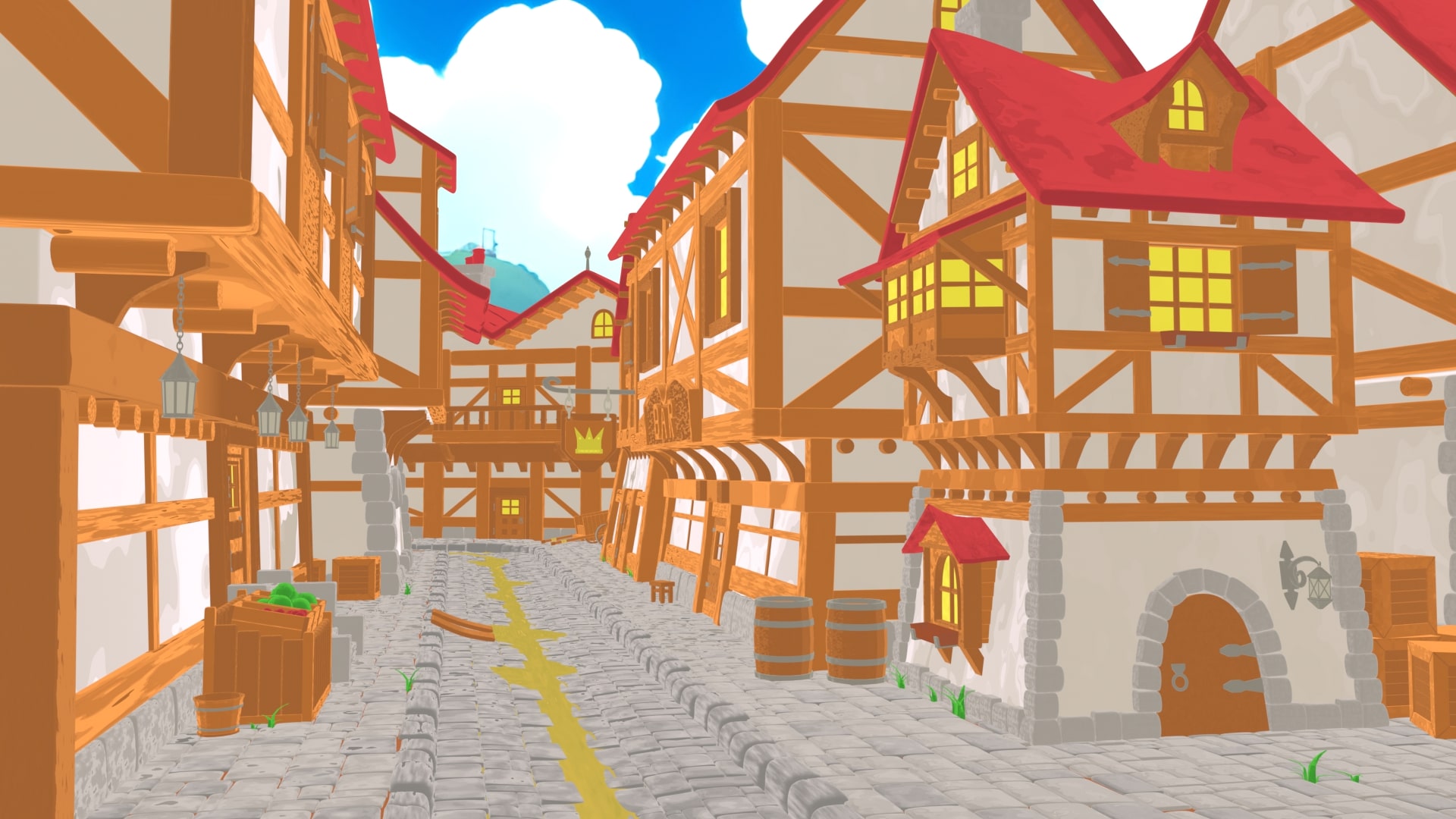
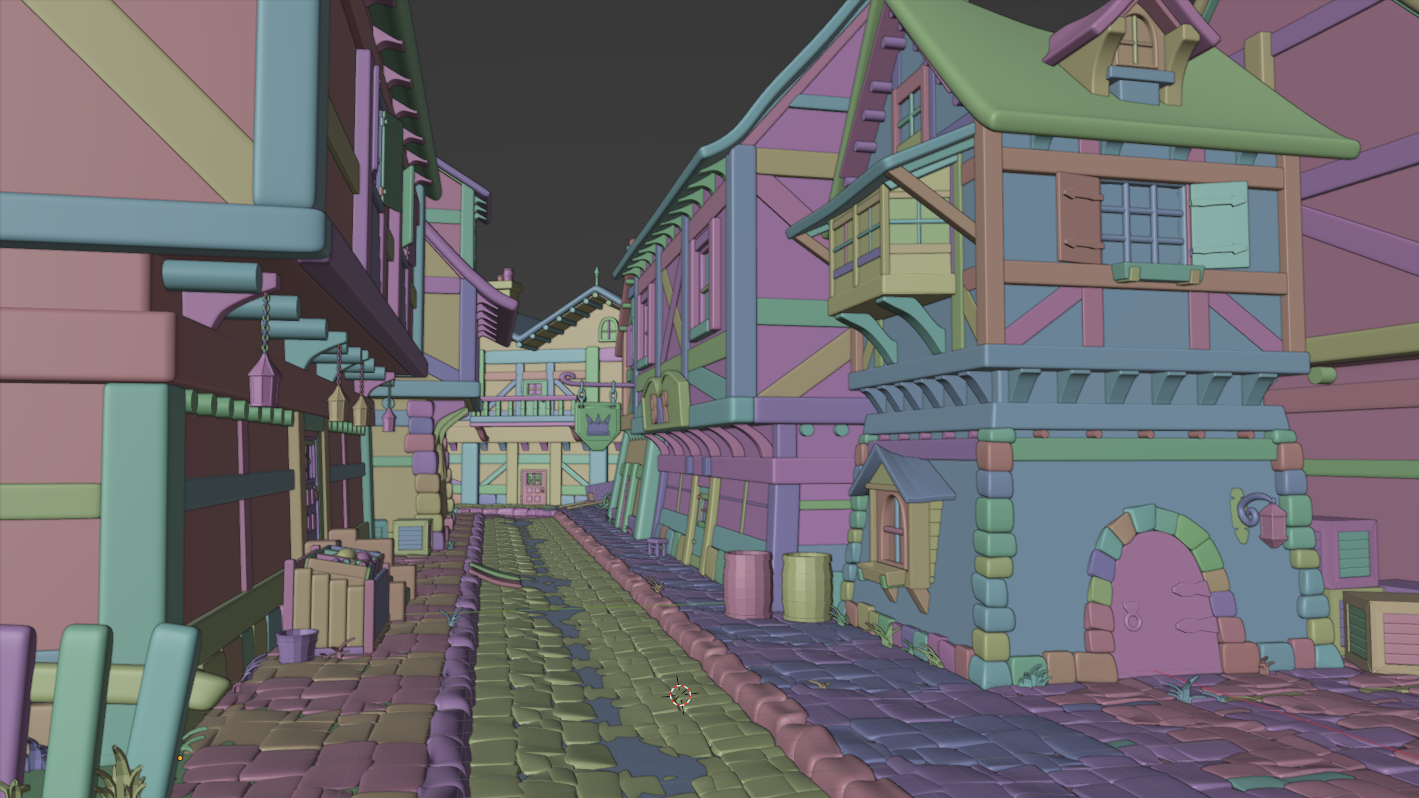
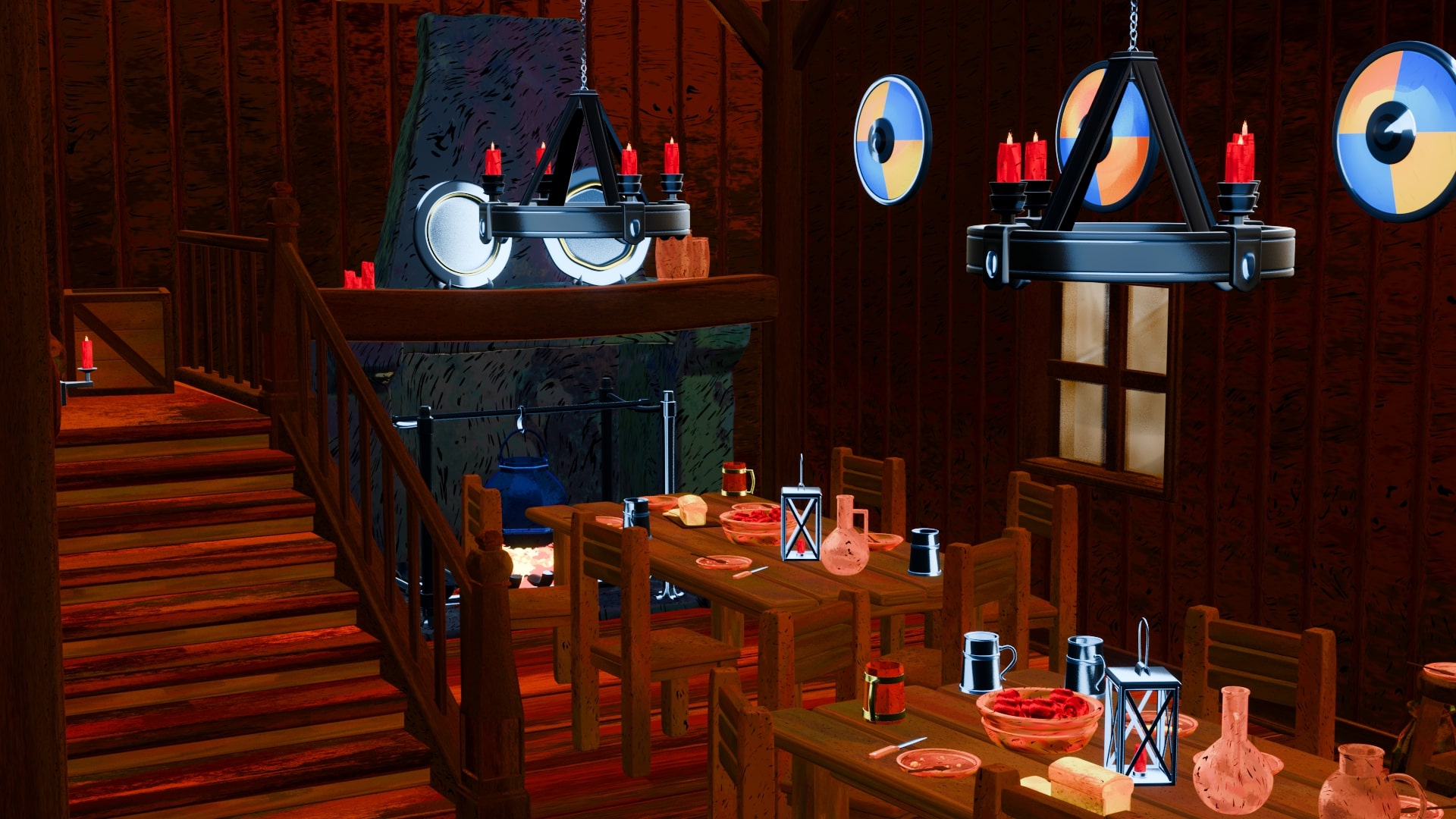
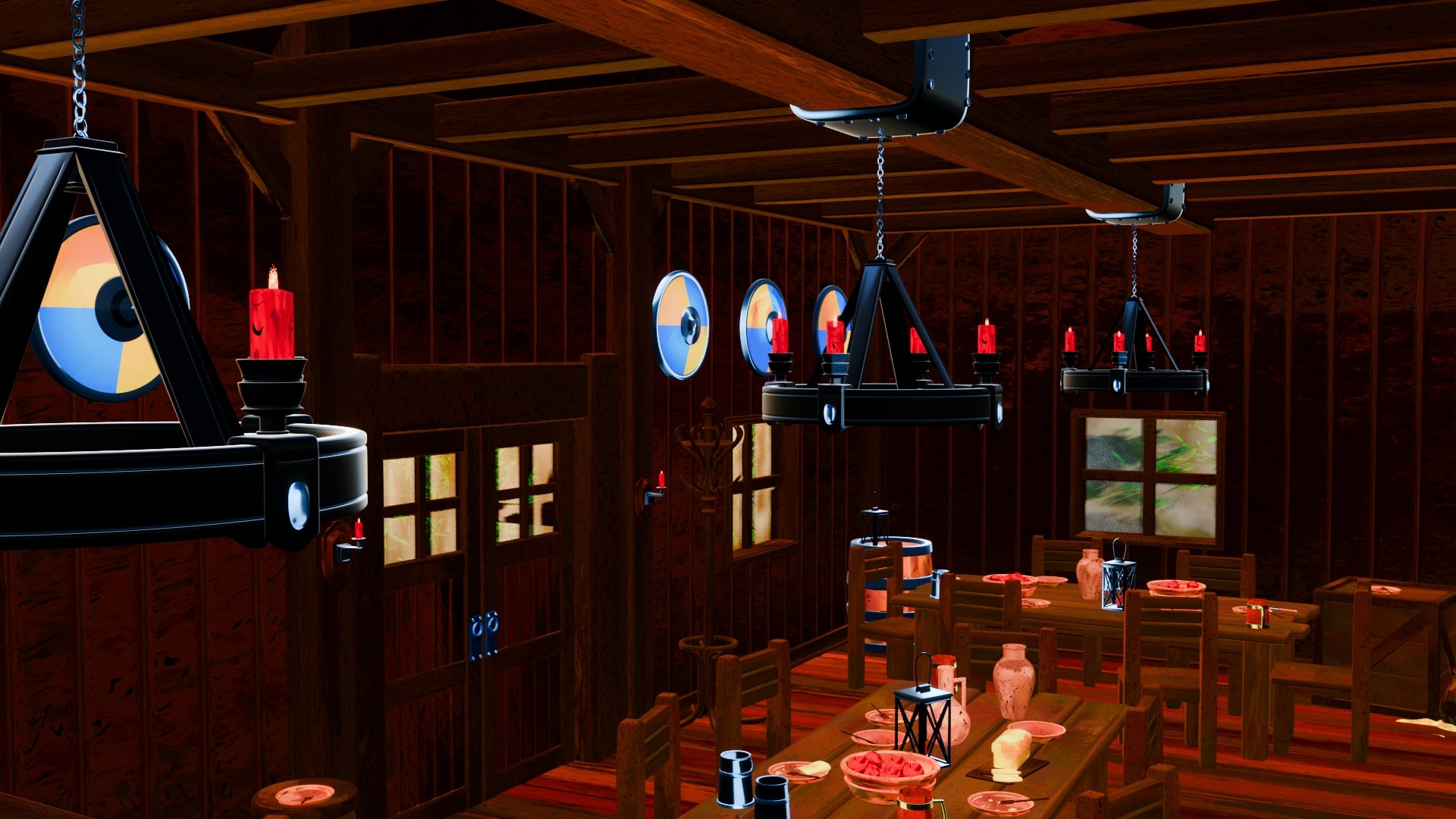
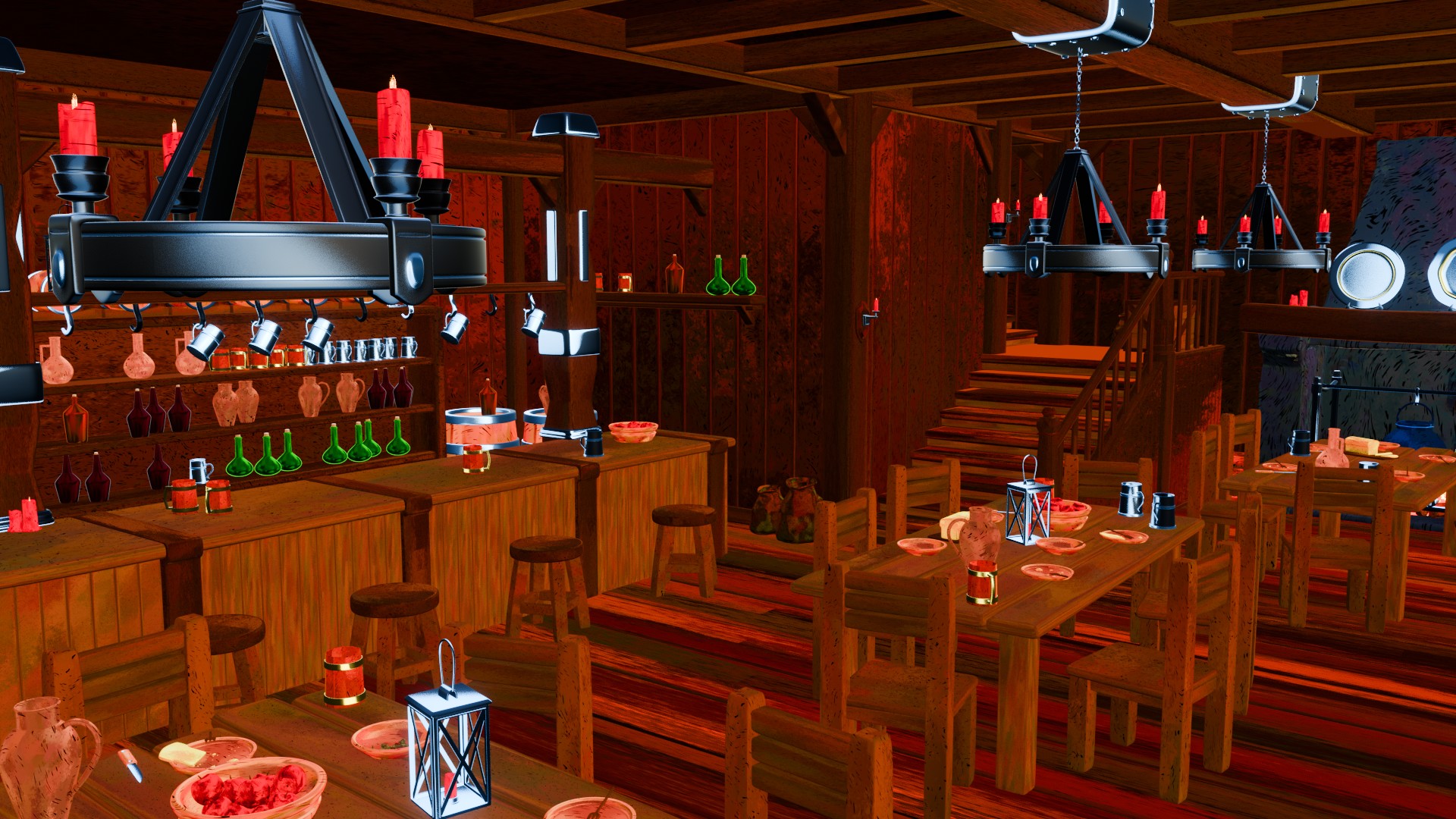
For this project, I created a stylized animation of a tavern and worked extensively with a shader add-on designed specifically for stylized looks. The included shader nodes allowed me to experiment with different lighting and surface effects that stand out from standard realistic rendering.
The focus was on combining vibrant colors with simplified details to create a charming, almost illustrative overall style. This animation helped me refine my sense for aesthetic reduction and explore new stylistic directions.